

Importance of Alcohol Recovery Aids
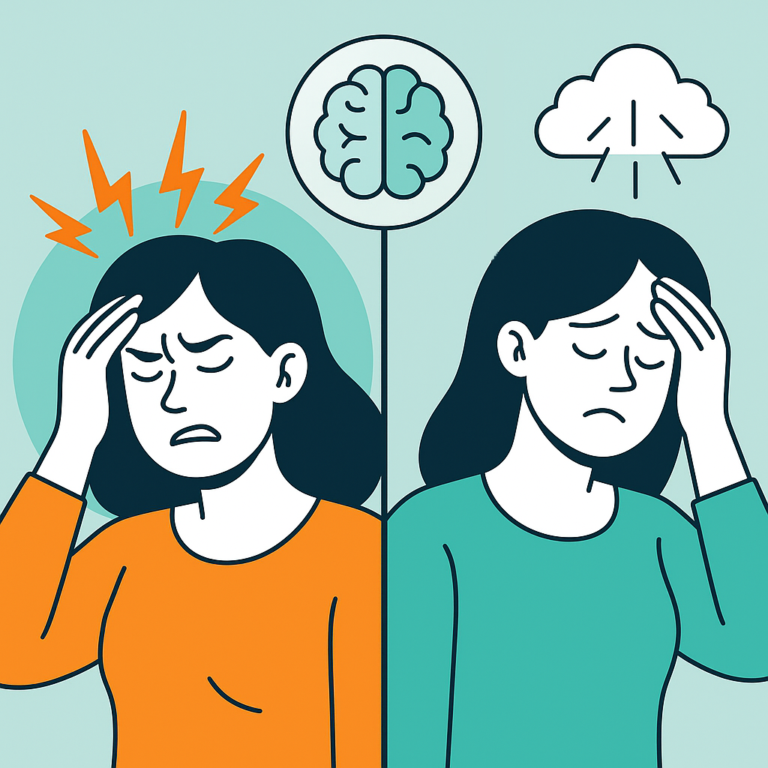
Alcohol disrupts the balance of the chemicals present in the brain and can make you dependent on alcohol. If you attempt to stop drinking alcohol, you may face serious challenges like intense cravings, emotional instability and withdrawal symptoms.
Table of Contents
Besides willpower, you need alcohol recovery aids like medications, support groups, family support, nutrition and natural remedies to complete recovery. Alcohol recovery aids help you on the recovery journey by
- Easing withdrawal symptoms.
- Reducing cravings.
- Providing emotional support.
- Enhancing physical well-being.
Medications for Alcohol Recovery
Several approved medications are available to manage alcohol use disorder. These include:
Naltrexone for alcohol use disorder
Naltrexone is widely recommended for the treatment of alcohol dependence. It works by blocking the opioid receptors present in the brain and decreasing alcohol cravings and consumption.
Acamprosate
Acamprosate helps to maintain abstinence in the treatment of alcohol dependence.
It reduces the urge to drink alcohol by normalising the balance of brain chemicals, such as glutamate and GABA. It is often used as a part of a comprehensive treatment plan including counselling and behavioural therapies.
Disulfiram
Disulfiram works by causing unpleasant effects such as nausea, vomiting, redness of the face, excessive sweating and chest pain on alcohol consumption on taking alcohol. These unpleasant effects last for more than an hour and can prevent relapse if you have already achieved abstinence.
How to stop drinking with support
Self-help groups are support groups for alcohol addiction, where individuals suffering from alcohol addiction sit together to share experiences, provide moral support, and help each other during alcohol recovery. The most popular and effective self-help groups include:
Alcoholics Anonymous
Many Individuals who have alcohol addiction find it effective to attend a self-help group known as Alcoholics Anonymous (AA). This self-help group is based on a 12-step recovery program to help individuals overcome addiction. This program is based on one-to-one meetings with a counsellor.
This program is a preferred treatment for individuals who find it uneasy to discuss their problems in a group setting.
Website: www.aa.org
SMART Recovery
SMART Recovery (Self-Management and Recovery Training) is a science-based recovery program to help alcohol recovery. It is an alternative to Alcoholics Anonymous. It is based on Cognitive behavioural Therapy and uses a 4-Point Program. It empowers individuals to get control of their behaviours.
Website: www.smartrecovery.org
Cognitive Behavioural Therapy
CBT, also called talking therapy, is a structured and goal-oriented psychotherapy that helps against alcohol addiction. Research has found it to be very effective in alcohol recovery alone and when combined with other strategies.
CBT helps to identify negative thoughts and behaviours that are associated with your alcohol addiction. CBT helps alcoholics to
- Identify triggers and help to avoid them.
- Improve self-control.
- Develop strategies to cope with the situations that trigger cravings.
- Identify the situation in which they are most likely to lose self-control.
- Improve motivation.
Natural Remedies for alcohol cravings
Exercise: Even a little bit of regular physical activity is very beneficial in your journey of alcohol recovery. Regular exercise not only strengthens you physically but also mentally and protects you from diseases associated with alcohol intake.
Yoga: Studies have shown that yoga is very effective in reducing alcohol cravings and preventing relapse. In yoga, people learn to regulate their breathing, which is very helpful in stressful conditions.
Mindfulness: Regular mindfulness practices are very effective for long-term alcohol recovery as they can prevent relapse and build emotional resilience.
Hydration: Alcohol keeps the body dehydrated by making you urinate more frequently. Good hydration is very important in alcohol recovery.
Nutrition during Alcohol Recovery
A well-balanced, healthy diet is necessary to recover from alcohol addiction. Alcohol depletes the body of essential minerals and vitamins, leading to body fatigue.
Coping with alcohol withdrawal symptoms
Alcohol withdrawal refers to the mental and physical symptoms that may occur when a chronic alcoholic person stops taking alcohol. The more you drink, the more likely you will suffer from alcohol withdrawal symptoms.
Mild Alcohol Withdrawal Symptoms: Mild symptoms usually begin after 6 hours of cessation of alcohol. These symptoms include tremors, weakness, headache, sweating, hyperreflexia and seizures and can be managed with talking therapy and support groups.
In severe cases, hallucinations and Delirium Tremens can develop, and you may need treatment with benzodiazepines to calm yourself, carbamazepine to control seizures and gabapentin for neurological stabilization.
Disclaimer
The information in this article is intended for informational purposes and not as a substitute for professional medical advice. Always consult a physician or other qualified healthcare provider for specific questions about your health.