

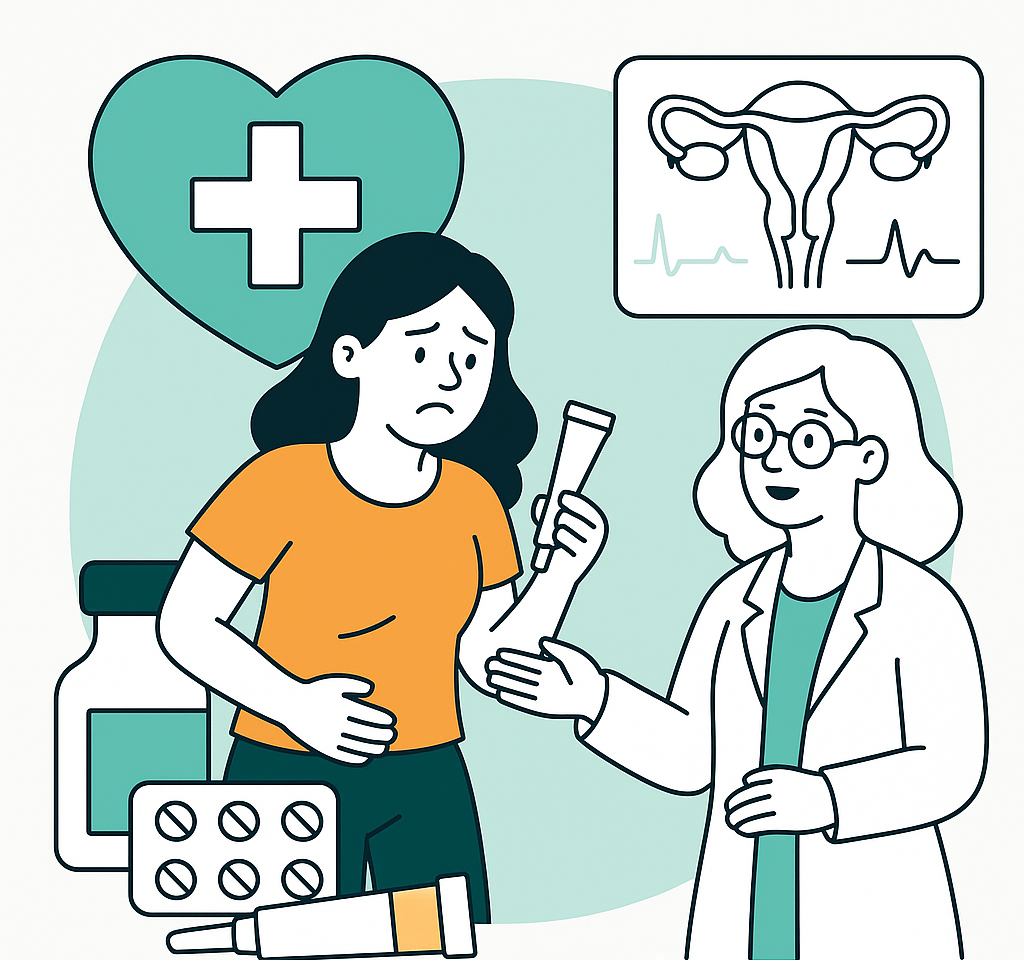
A vaginal yeast infection can turn your life around—itching, irritation, and discharge making even the simplest things an issue. If you’re tired of feeling irritable and embarrassed, you’re not alone. Finding the best treatment for a vaginal yeast infection is the solution to getting your vaginal health back on track and preventing future issues. Let’s look at the best treatments so you can feel comfortable and confident again.
Table of Contents
What Is a Vaginal Yeast Infection?
A vaginal yeast infection occurs because of an overgrowth of Candida yeast that exists in the body. If the balance of bacteria and yeast is upset, the yeast will grow and cause uncomfortable symptoms. The most frequent symptoms are itching, a thick white odorless discharge, and vaginal distress.
While it is a frequent condition, it is surprising when it occurs, and having the right treatment is all it takes to eliminate symptoms and rebalance. Knowing how yeast infections occur and how to cure them is the start of your healing process.
What Are the Causes of Vaginal Yeast Infections?
Vaginal yeast infections are brought about by overgrowth of the Candida fungus. Several factors can disrupt the balance, such as the use of antibiotics that kill the “good” bacteria that would otherwise hold the yeast in check.
Hormonal fluctuations due to pregnancy, menstruation, or the use of birth control pills can also raise the risk of yeast infections in women. Poor hygiene, tight clothing, diabetes, or a compromised immune system may also raise the risk. Stress, a high-sugar diet, and even sex can make yeast overgrowth likely.
Understanding the cause of vaginal itching and discharge will allow you to treat the cause and receive the best treatment for vaginal yeast infection before it becomes worse.
How to Treat a Vaginal Yeast Infection
In the management of a vaginal yeast infection, the optimal treatment most frequently depends on the degree of symptoms. Mild infections are managed with over-the-counter antifungal medication such as clotrimazole or nystatin. The medication acts directly on the yeast, killing it from the vaginal flora. Severe infections are managed with prescription medication such as fluconazole. Oral medication is most frequently prescribed when topical medication does not offer adequate relief.
It is necessary to stick to the treatment regimen strictly because missing a dose or early withdrawal can lead to recurrence. Apart from antifungal drugs, using cooling creams or warm baths can relieve pain. If the infection does not heal or the symptoms worsen, consulting a medical professional for a more accurate treatment is recommended.
Although first-line management is antifungal therapy, lifestyle changes like not douching, the use of breathable cotton underwear, and drying the region are also helpful in preventing recurrent infections. Probiotics, being beneficial to vaginal health, also aid in regulating the balance of yeast and bacteria within the body.
How to Prevent Recurrent Vaginal Yeast Infections
Prevention of recurrent vaginal yeast infections is about establishing equilibrium in the vaginal flora. Prevention is optimal by having good personal hygiene i.e., cleansing from front to back and wearing loose-fitting cotton underwear. Avoiding scented products such as sprays or douches helps prevent irritation and infection.
It is important to keep the vaginal region dry yeast loves moisture, so the sooner wet clothes are removed, the better. Taking probiotics or eating more yoghurt can also be beneficial by providing the body with a healthy balance of bacteria.
If you’re on antibiotics, taking a probiotic supplement to replace beneficial bacteria can prevent excessive yeast growth. Additionally, maintaining blood sugar levels and controlling underlying conditions such as diabetes can help to keep yeast infections to a minimum.
Can Antibiotics Cause Yeast Infections?
Yes, antibiotics can cause yeast infections by interfering with the body’s natural balance of bacteria in the vagina. Antibiotics are designed to kill harmful bacteria, but they also kill the good bacteria that help keep yeast growth in check. This allows the Candida yeast to grow and cause infection.
To lower the risk of a yeast infection when taking antibiotics, it’s typically advised to take probiotics, which assist in rebalancing the body’s bacteria. If you do develop symptoms of a yeast infection while you’re taking antibiotics, it’s crucial to treat it as soon as possible to avoid complications.
Bacterial Vaginosis vs. Yeast Infection: Major Differences
Although both are vaginal flora imbalance conditions, yeast infections and bacterial vaginosis (BV) differ in their causative agents. A yeast infection is caused by Candida overgrowth, whereas in BV, excessive pathogenic bacteria mostly Gardnerella vaginalis are present.
Both conditions share a few common symptoms, including discharge, itching, and odor, but there are differences. A yeast infection usually results in thick, white, clumpy, odorless discharge, while BV typically causes thin, grayish discharge with a fishy smell. Another difference is that yeast infection is more likely to cause soreness and itching, while BV may result in a burning sensation during urination or sex.
Conclusion
Prevention and treatment of vaginal yeast infection are achievable with the right approach. Whether using prescription antifungals or over-the-counter remedies, it’s important to know your options. Practice good hygiene, take probiotics for regular maintenance, and visit your doctor if needed. You deserve comfort and confidence—yeast infections don’t have to hold you back.
Disclaimer
The information in this article is intended for informational purposes and not as a substitute for professional medical advice. Always consult a physician or other qualified healthcare provider for specific questions about your health.