

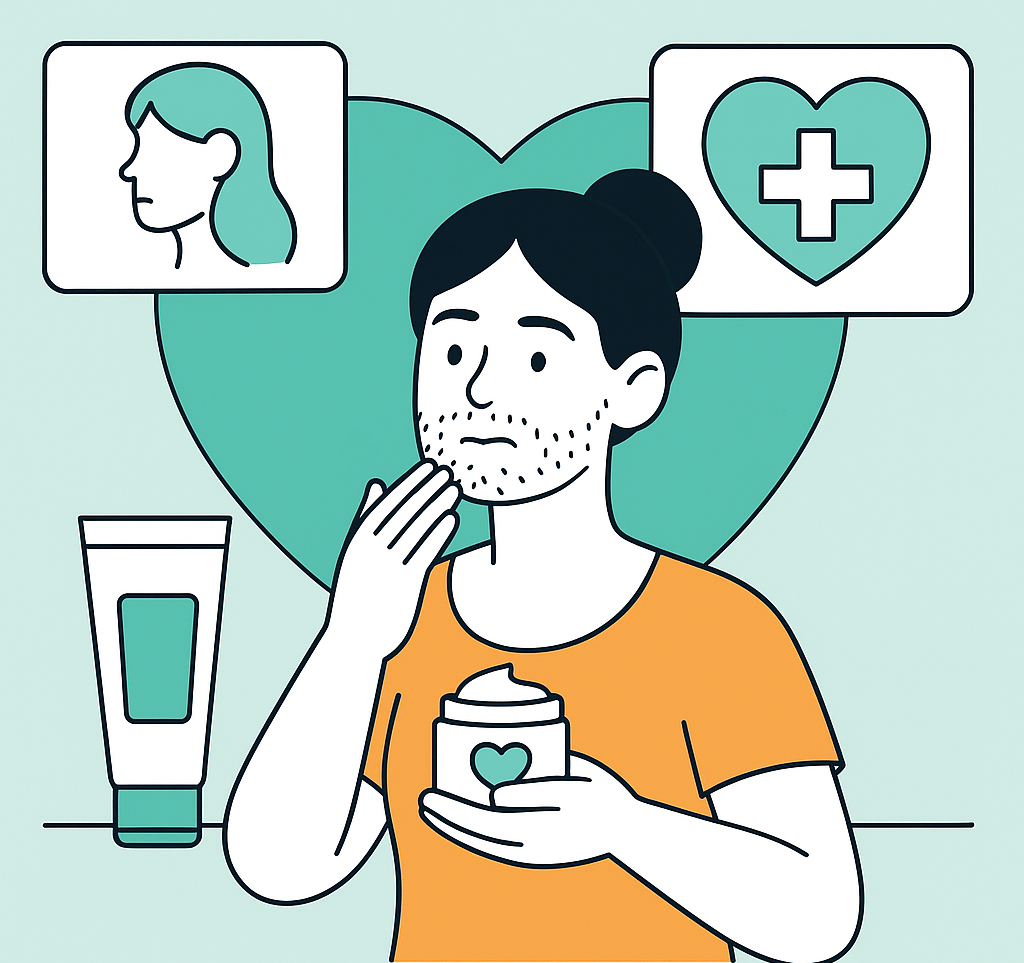
Managing facial hair is undoubtedly a sensitive topic for a lot of people out there. Whether it is due to hirsutism, some hormonal change, or aging, it can be problematic. No one wants excess hair growth on their face, and in this guide, we will offer tips to ensure you feel at ease with the way you look.
Table of Contents
The Causes of Facial Hair
Almost every woman experiences increased facial hair at some point in her life, but the reasons vary from time to time as well as from person to person. One of the common causes is hirsutism. Hirsutism is when women develop abnormal hair on their face in areas like the upper lip, chin, or sideburns. It is due to an excess of androgens which are more commonly known as male hormones.
In some cases, facial hair growth can be exacerbated by PMS. During the luteal phase of the menstrual cycle, estrogen and progesterone levels fluctuate, and there is a temporary increase in androgens, resulting in hair growth. Because of this, some women report having thicker facial hair right before their period.
Other women may notice shifts in facial hair growth during menopause, which is a time with drastic hormonal changes. Some women report having more facial hair as estrogen levels drop with age, and there is a higher proportion of androgens available. Hormonal therapy during menopause can correct these hormones, thus reducing unwanted facial hair growth.
Practical Ways to Manage Facial Hair
You need to deal with unwanted facial hairs, but this task doesn’t need to be challenging. Depending on your skin type, pain tolerance, and duration of desired results, there are numerous effective approaches.
Shaving
Shaving is probably the most common and convenient option—it’s quick, inexpensive, and pain-free. The downside is that it certainly is not a permanent solution, and for some, it can be very irritating.
Waxing or Threading
If you want relatively long-lasting options, consider waxing or threading. Both methods pull the hair from its roots, so they are painful. Waxing is possible to do at home, but for threading, you may need to see an expert. The benefits of these methods are that they can keep your skin supple for weeks on end with little maintenance needed on a daily basis.
Depilatory Creams
If you want something that is even more convenient, consider depilatory creams. These creams work by melting the hair right above the skin. Most will find simple, painless ways to groom themselves, but be cautious and put the cream on a small region first to ensure it does not cause an allergic reaction to irritation.
Laser Hair Removal
If you want a permanent solution to unnecessary facial hair, laser hair removal is the perfect method for you. This method targets hair follicles with concentrated light to stop future growth. While it’s more expensive upfront and requires several sessions, it can lead to lasting results, saving you time and effort in the long run.
Lifestyle Tips for Managing Facial Hair
Handling facial hair sometimes goes beyond treatment plans; it requires an evaluation of your health. An improvement in your lifestyle may greatly aid in regulating hormones that can help curb unwanted hair growth.
Eating Habits
A good place to start is with your eating habits. A well-rounded diet that includes a variety of fruits and vegetables, whole grains, and lean protein helps keep almost all aspects of your health in check, including your hormones.
Fiber-rich foods alongside healthy fats help balance blood sugar which prevents insulin spikes, commonly associated with hirsutism. Refraining from consuming too much sugar and processed food makes it easier to counter excess hair growth as well.
Stress Management
Stress management is just as crucial. Stress is an accepted cause of a hormone imbalance, and constant stress leads to high cortisol levels. Increased cortisol levels cause increased androgen production. Taking some time to relax through yoga or meditation or even breathing exercises allows better hormone balance, ultimately making it easier to manage excess facial hair.
Exercise
Additionally, working out contributes greatly to the improvement in the regulation of hormones. Exercise helps maintain a healthy weight, balance hormones, and raise insulin sensitivity. For women with hirsutism, regular exercising can be particularly helpful in controlling the excess androgens responsible for abnormal facial hair growth.
Medical Treatments and Options
There are other medical treatments that can help reduce facial hair growth when lifestyle changes are ineffective. Anti-androgens are prescribed for hirsutism and are usually the first drugs that are tried. They include Spironolactone, which inhibits androgens and hair growth in unwanted regions.
If you are in menopause, using hormone therapy for menopause might decrease some of the negative effects, like extra hair on the face. Some women may experience excessive facial hair due to the changes in estrogen and testosterone balance during menopause, which can be helped by hormone therapy.
Professional procedures, like laser hair removal or electrolysis, can control facial hair in addition to other medications. These treatments can be expensive, but unlike shaving and waxing, they provide a more permanent solution, which may be appealing to those seeking a long-term fix.
Conclusion
Dealing with facial hair can be a simple task. Regardless of whether you have hirsutism, are dealing with PMS symptoms, or are facing the changes that come with menopause, there are helpful solutions for everyone. While there is no one answer to the problem, there are multiple alternatives. The right approach will help you feel confident without fuss.
Disclaimer
The information in this article is intended for informational purposes and not as a substitute for professional medical advice. Always consult a physician or other qualified healthcare provider for specific questions about your health.