
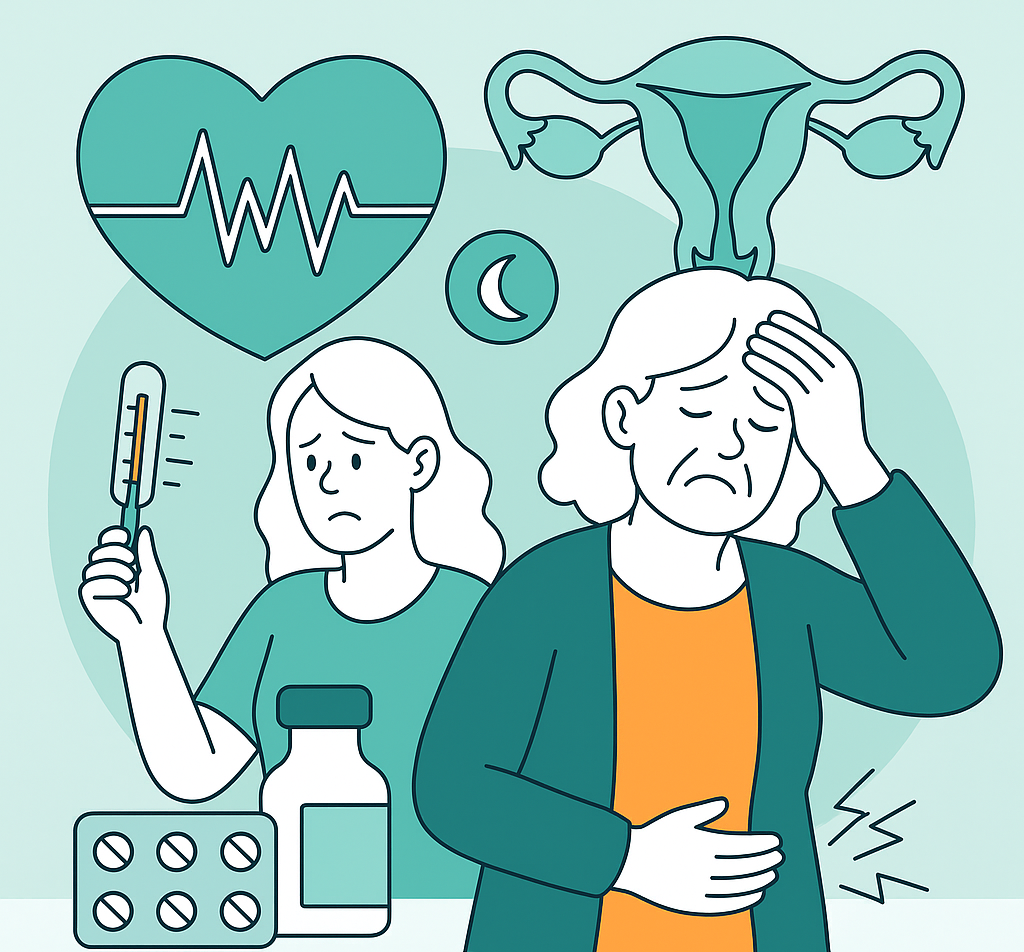
Menopause and PMS can feel like they’re taking over your life, wrecking your mood, energy, and daily routine. If you’re tired of battling these symptoms with no end in sight, you’re not alone. Let’s examine how to regain control and live life on your own terms.
Table of Contents
PMS and Menopause: What’s Happening in Your Body?
Both menopause and PMS are hormone-related but affect your body in different ways.
PMS, which typically occurs two weeks before your period, causes a variety of symptoms, including bloating, fatigue, and mood changes. All these symptoms are related to changing levels of hormones, primarily estrogen and progesterone.
On the other hand, menopause is when you stop getting your period, typically at 50, and involves dramatic hormonal changes as your ovaries release less estrogen. The symptoms are natural and include hot flashes, night sweats, sleeplessness, and weight gain. Menopause, although a natural process, lasts several years, unlike PMS, which is only a temporary hormonal response. Knowing these changes can make it easier for you to cope with the pain they bring.
How Menopause and PMS Are Affecting Your Life?
Getting through menopause and PMS is more than dealing with physical symptoms. Menopause and PMS can play havoc with your emotional well-being, your relationships, and your lifestyle. Symptoms of PMS, like mood swings and irritability, can make it harder to focus on work, enjoy time with loved ones, or even have a good time.
For most women, menopausal symptoms like anxiety, mood swings, and insomnia are an ongoing source of frustration. The hormonal fluctuations typical of PMS and menopause have a tendency to produce rollercoaster-like emotional rides that make it hard to remain centered. Sleep disruption, caused by night sweats or insomnia, is another cause of frustration that makes you tired and cranky.
These symptoms are not only infuriating, they have the power to interrupt daily life and make you feel disconnected from the life you once enjoyed. But there is hope. Understanding how these conditions work is the place to start.
Relief Is Possible! Top Coping Strategies for PMS and Menopausal Symptoms
Hormone Therapy for Menopause: Is It Right for You?
One of the most effective treatments for menopause symptoms is menopause hormone replacement therapy (HRT). HRT is a therapy that replaces hormones your body no longer produces, estrogen and progesterone, to control hot flashes, vaginal dryness, and mood swings.
But menopause hormone therapy isn’t suitable for everyone. It’s best to see a healthcare provider to decide if HRT is right for you, particularly if you have a history of diseases such as breast cancer or blood clots. For other women, non-hormonal treatments, including lifestyle modification, stress management, and medications, can relieve symptoms.
Managing Mood Swings During Menopause and PMS
Mood swings are probably the most prevalent and disruptive symptom of menopause and PMS. Changes in hormones can leave you irritable, anxious, or depressed. You will need to approach these mood swings with a multi-faceted plan. Exercise, for example, has a big effect on mood, as it releases endorphins that fight stress and anxiety.
Besides exercise, other stress-reducing activities like yoga, meditation, and deep breathing can also be of immense help for PMS. They can keep you centered and handle your emotions more efficiently. Hormonal medications can also be helpful for women who become victims of extreme mood swings as they balance hormone levels and reduce emotional fluctuations.
By incorporating lifestyle modifications into your medical treatments, you can better manage your moods and get your life back to normal at this challenging time.
Weight Management during Menopause: A Health Priority
Weight management during menopause may be especially challenging due to the loss of estrogen, which leads the body to distribute fat around the midsection. Most women do gain weight, even if they are using the same foods and exercising the same as they have in the past. This is partly due to the fact that estrogen dictates where your body will store fat, and since there isn’t any, fat is stored more in the belly.
To control your weight, emphasize a healthy diet of whole foods such as fruits, vegetables, lean protein, and healthy fats. Regular exercise, such as strength training, also prevents muscle mass loss and increases metabolism. Your doctor can also prescribe your medicines to prevent bone loss and improve overall health, and it becomes easier to remain active.
While exercise may be a challenge, taking on healthy lifestyle habits and noticing your changes will help bring you to a healthy weight and have you feeling comfortable in your body again.
Menopause Sleep Disturbances: How to Sleep Easier?
Sleep disturbance is a symptom of menopause, affecting over 60% of women. Hot flashes, night sweats, and anxiety can interfere with sleep, leading to fatigue and a decrease in overall well-being. PMS and menopause can interfere with a good night’s sleep, which in turn affects mood, vitality, and productivity.
To sleep better, start with a consistent sleeping pattern. Bedtime and wake-up time must be identical every day, which maintains your internal clock. Relaxation techniques such as reading, meditation, or a relaxing bath before bed can also lead you to sleep.
The Bottom Line
Dealing with PMS and menopause may sometimes seem like a losing struggle, but don’t forget that you don’t have to fight it alone. Whether it’s changing your lifestyle through better dietary habits, exercise, stress reduction, or seeking hormone therapy for menopause, there are more than enough solutions to take back control.
By being proactive, taking charge of your symptoms, and taking action, you can move through this phase of life with confidence and ease. If you’re having trouble, don’t be afraid to call in a professional. There are solutions out there that can really make a difference. You deserve to feel your best, regardless of what phase of life you’re in.
Disclaimer
The information in this article is intended for informational purposes and not as a substitute for professional medical advice. Always consult a physician or other qualified healthcare provider for specific questions about your health.