
Warts are painful, persistent, and humiliating. Whether you have a flat wart or a plantar wart, the right wart medications will ease your discomfort. This article tells you how to choose the best treatment for your warts, from home treatments to professional care, and gives you tips on how to get rid of warts effectively.
Table of Contents
What are Warts?
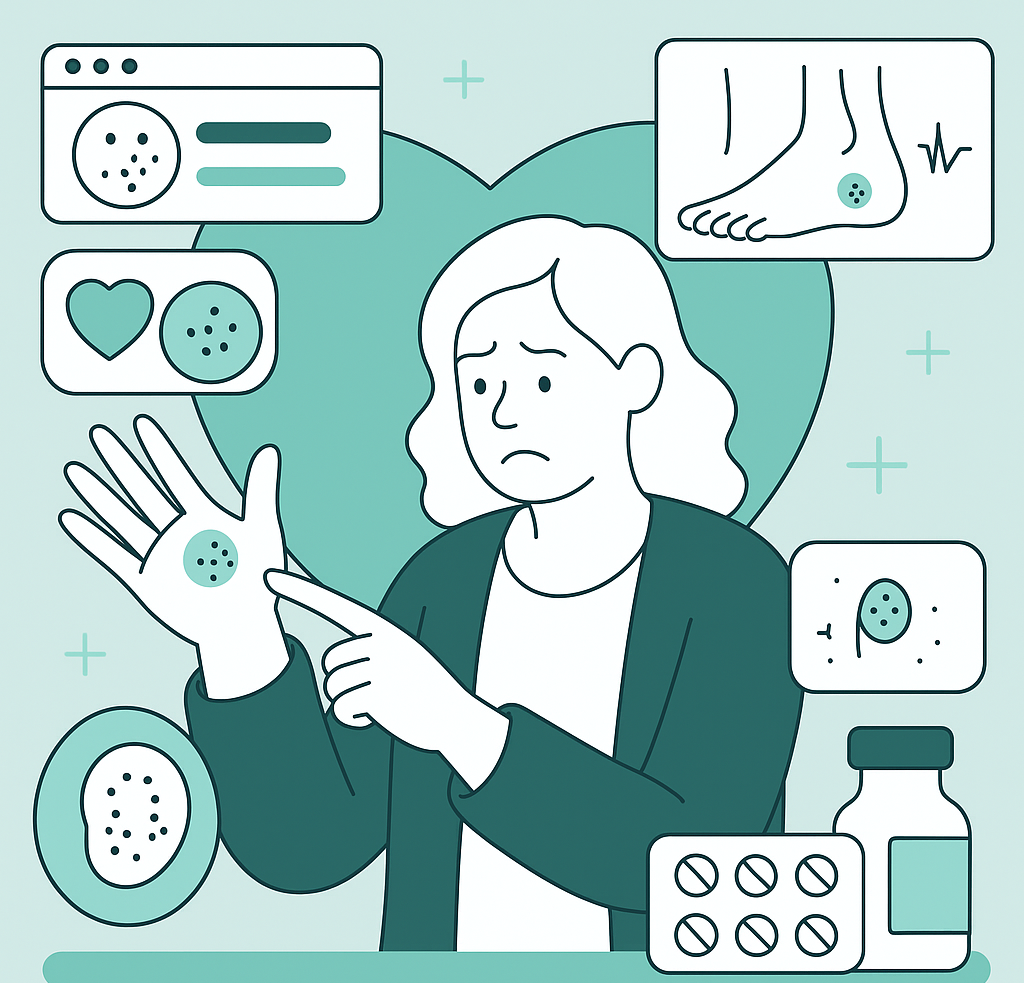
Warts are small, rough bumps on the skin caused by the human papillomavirus (HPV). Warts can appear anywhere on the body but are most often found on the hands, feet, and face. Warts are harmless but can be frustrating.
Following are the common types of warts.
- Plantar warts are present on the bottom of the feet and it makes even your walk painful.
- Flat warts are small, smooth warts that usually grow in clusters on the face or legs.
- Filiform warts are thin and elongated, typically around the eyes or mouth.
The type of wart dictates the treatment process. Plantar warts are usually treated with more invasive procedures while flat warts can be easily treated using less invasive procedures. Determination of the type of wart helps in the choice of the most appropriate wart medications.
Over-the-Counter Wart Treatment Options
If you have a wart, the initial step is to attempt to use over-the-counter wart treatments. These treatments will usually involve salicylic acid or cryotherapy to destroy warts.
Salicylic acid dissolves the wart, and it can then be removed layer by layer. It comes in gels, patches, or liquids and is applied directly to the wart. It takes a long time and could take weeks for it to work, but it’s an inexpensive and well-liked solution for most.
Alternatively, cryotherapy is done by freezing the wart using liquid nitrogen. The treatment is also part of over-the-counter kits and is faster than salicylic acid. Nevertheless, it is painful and may need to be repeated.
Both treatments are effective, and medications such as Collomak and Warticon provide alternatives with some preparations that are effective against other types of warts. If you have tried using over-the-counter medications and the wart still remains, see a healthcare provider for other options.
What are Common Prevention Steps?
Warts are a result of infection by the human papillomavirus (HPV), which enters the skin via cuts or abrasions. Certain people are at higher risk of the virus, especially those with compromised immune systems.
Prevent warts from forming by practicing good hygiene, wash often, dry and keep the skin clean, and don’t touch others’ warts. Wearing shoes in common areas such as swimming pools or gyms also prevents plantar warts.
If you have a wart, cover it up with a bandage to prevent the spread of the virus. Don’t pick at the wart since it can cause the virus to spread to other areas of your body. These can increase the likelihood of developing new warts.
Even though warts are common and generally harmless, you need to protect yourself and others by maintaining good hygiene and treatment habits.
Are Warts Contagious?
Yes, warts are infectious. The HPV virus is transmitted by direct skin contact or by touching infected surfaces or personal items. To minimize transmission, do not touch other people’s warts and cover your warts.
Warts can also be spread from one part of your body to another. If you have a wart on your hand, don’t touch the rest of your body until the wart has been treated. Personal items like towels, razors, and shoes should not be shared since they can spread the virus.
When treating a wart, take care not to pass on the virus when the wart is healing. Wash your hands often, keep the area clean, and refrain from touching the wart until it is fully treated.
Prevention of wart transmission is not an easy task, but with due care, you can minimize the risk of transmission to other people or to other areas of your body.
Professional Wart Removal Alternatives
Although most warts can be treated with over-the-counter medication, others need professional treatment. If your wart persists or is extremely painful, a health professional might consider cryotherapy, laser therapy, or podophyllotoxin (Warticon).
Cryotherapy is a professional treatment that freezes the wart using liquid nitrogen. The treatment makes the wart shed in a few days. Several sessions may be needed.
Laser therapy is the application of a focused light beam to kill wart tissue and can be an option for resistant warts that are not responding to other treatments. Podophyllotoxin is also an option and is sold in products such as Warticon, and is commonly applied to genital warts and other problematic areas.
If you’ve tried over-the-counter treatments and the wart persists or is in a delicate area, consulting a healthcare professional can provide more tailored and efficient solutions. A professional will be capable of identifying the most effective solution for your specific situation.
Wart Removal Timetable
The time taken for wart removal varies with the treatment used. Salicylic acid, which is an over-the-counter drug, takes weeks to completely eliminate the wart. The treatment needs to be applied regularly and as per the instructions for optimal results.
Cryotherapy is faster, and the effect is seen within a week or two. Yet, several sessions might be required in the instance of more long-standing warts.
Professional therapies like laser or Warticon can have quicker effects, but sometimes, follow-up might be necessary. You need to be patient when going for treatment since warts can take weeks to fully clear, especially if you are treating them at home.
Regardless of the warts treatment you employ, be consistent. If a wart does not yield to initial therapy, consult with a physician for further advice and other treatment.
The Bottom Line
Choosing the best wart medications depends on the type of wart, location, and personal preference. Although you can take over-the-counter drugs like salicylic acid or seek professional care, having an idea of what you can do can empower you to remove it effectively. Prevention and treatment aside, you can possibly tackle warts with confidence in addition to maintaining good health.
Disclaimer
The information in this article is intended for informational purposes and not as a substitute for professional medical advice. Always consult a physician or other qualified healthcare provider for specific questions about your health.