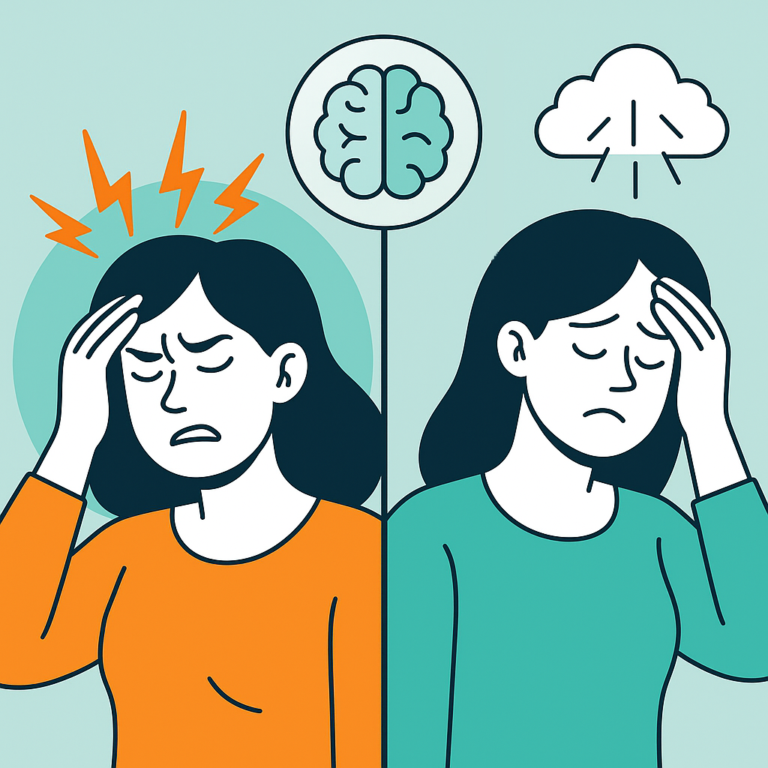


Imagine feeling pain from something that’s not there at all, a touch that was never felt, a cut that’s never made. That is the odd reality of nerve pain. It is not merely “in your head,” nor is it one which can simply be pushed away. Such pain originates way deep within the nervous system and feels like burning, tingling, and stinging.
Table of Contents
In this guide, we’ll walk you through and explain what’s actually happening, why it occurs, and, most importantly what you can do to regain control.
What Is Nerve Pain (Neuropathy)?
Nerve pain, or neuropathy, occurs when your nerves become irritated or damaged. These nerves typically transmit signals from your body to your brain. But if something is amiss, they might transmit the wrong signals or send pain when nothing is wrong.
It may feel different to each person. Some people experience burning or tingling. Others describe it as stabbing, zapping, or pins and needles. You may also experience numbness in some areas or be too sensitive to touch.
There are two broad categories. Acute nerve pain comes on suddenly and often resolves with treatment. Chronic nerve pain lingers for months or even years.
It usually appears in the hands, feet, arms, or legs but it may occur anywhere.
What Causes Chronic Nerve Pain?
Nerves can be damaged by a range of things. Some of the most common reasons include:
- Diabetes: This is one of the top reasons. High blood sugar can slowly damage your nerves over the years.
- Trauma or injury: Car wrecks, surgery, or a bulging disc can damage nerves.
- Infections: Some viruses like shingles or HIV can attack your nerves directly.
- Vitamin deficiencies: Low levels of vitamins, especially B12, can lead to nerve damage.
- Alcohol: Drinking too much can affect how your nerves work and cause long-term problems
- Unknown causes: In some people, there is no obvious cause. This is called idiopathic neuropathy.
Signs and Symptoms to Watch For
Some symptoms are easy to ignore at first, but they often get worse over time. The following are some things to look out for:
- A prickling feeling, like “pins and needles”
- Numbness in your feet, legs, or hands
- Weakness of the muscles
- Sharp, burning, or stabbing pain
- Increased pain at night
- Trouble walking or keeping your balance
- Pain caused by sensations that shouldn’t trigger pain, such as soft touch or even bedsheets.
Mental Health and Chronic Pain
Living with nerve pain every day can be exhausting, not just on your body but on your mind too. Chronic pain also occurs in many people who have anxiety, depression, or stress. Research has shown that about 35% to 45% of patients with chronic pain also have depression.
Pain can cause you to lose sleep, raise your stress, and even make you feel hopeless. Mental health and pain just go hand in hand, and one will usually feed into the other. That’s why it’s such a big deal to treat both of them.
How Is Nerve Pain Diagnosed?
To find out what’s causing your nerve pain, your doctor will start with a few simple steps:
- They start with your story. You’ll be asked about your symptoms, lifestyle, and medical history.
- A physical exam comes next. This helps spot numbness, weakness, or reflex changes.
- Blood work can screen for diabetes, vitamin problems, or infections.
- Nerve tests (like EMG or nerve conduction studies) check how well your nerves work.
- Scans like MRIs or CTs can scan your spine or brain for any damage or pressure.
Treatment Options
Nerve pain can be tough, but proper treatment can make a huge difference. Here’s what may work:
Prescription medications: Physicians begin with medications such as:
- Gabapentin or Lyrica (Pregabalin) these calm overactive nerves
- Antidepressants do not only treat mood but also nerve pain
- Paracetamol or Codeine for mild to moderate pain management
Topical treatments: Creams and patches such as Capsaicin or Lidocaine numb the region and kill the pain.
Physical therapy: Gentle exercises can enhance movement, decrease stiffness, and alleviate pain.
Lifestyle modifications: Small modifications such as remaining active, controlling blood sugar (for diabetics), and stopping smoking can make a big difference.
Nerve repair supplements: Some individuals find B vitamins, Alpha-Lipoic Acid, or Magnesium helpful. Always consult your doctor first.
TENS therapy: This involves using a small device that sends mild electric pulses to your skin. It can interrupt pain signals for some individuals.
Alternative treatments: Acupuncture, yoga, and meditation make many individuals feel more able to manage their pain.
Medications vs. Physical Therapy
Both medications and physical therapy relieve nerve pain, but differently.
Medications treat the pain directly. They soothe the nerves or disrupt pain messages. They can be fast-acting and potent but can have side effects in some individuals.
Physical therapy is all about movement. It keeps your muscles healthy and your body active. It doesn’t merely relieve pain, it can enhance balance, strength, and coordination in the long run.
Most people fare best with both. Medications control the pain, and therapy keeps you moving and independent.
Can Nerve Pain Be Cured?
This is the big question and the truthful response is: it depends. Certain nerve pain will remit if the underlying cause is addressed early. For instance, pain from infection or deficiency can often be improved by appropriate treatment.
But for chronic neuropathy, such as that from diabetes or long-standing damage usually it doesn’t completely cure. Rather, it’s something individuals control with treatment and lifestyle modifications.
Living with Neuropathy
Living with nerve pain is tough, but you’re not alone. Begin by discovering what works for you. Some find that light exercise makes them feel better. Others find heat packs or relaxation techniques helpful. Even small adjustments can make a difference.
Neuropathy can also impact your mood. Ongoing pain can cause stress, anxiety, or low mood. That’s perfectly normal. Counseling or a support group can make a huge difference.
Sharing your experience makes you feel less isolated. Others might be experiencing the same.
Stay educated. Educate yourself about your condition. And most importantly, don’t give up. Many individuals cope with nerve pain and lead full, joyful lives.
The Bottom Line
Nerve pain can seem overwhelming, but relief is available. Early detection, proper treatment, and daily care can all make your symptoms more manageable.
Struggling with nerve pain? Transtoyou makes it easy. You can consult with a doctor online—no waiting rooms, no anxiety. Gain quick access to trusted treatment and advice. If necessary, a partner pharmacy will deliver your medication right to you.
Private, professional, and all from home.
Disclaimer
The information in this article is intended for informational purposes and not as a substitute for professional medical advice. Always consult a physician or other qualified healthcare provider for specific questions about your health.