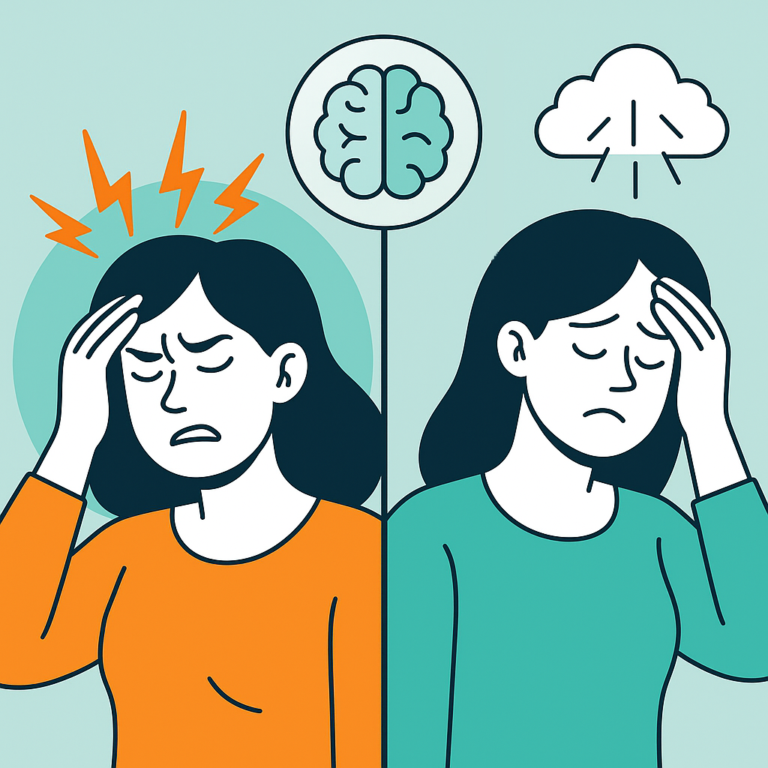


Sleep disorders affect millions worldwide, making it difficult to get restful, restorative sleep. Whether it’s insomnia, sleep apnea, or an irregular sleep schedule, lack of sleep can harm your health. Fortunately, various treatment options, from lifestyle changes to medications, can help improve sleep quality. In this blog, we’ll discuss the causes of sleep problems, natural and medical treatments, and tips to fix your sleep schedule.
Table of Contents
Common Causes of Sleep Disorders
Several factors contribute to sleep disorders, including:
- Stress and Anxiety: Worrying too much can make it hard to fall or stay asleep.
- Poor Sleep Habits: Irregular sleep schedules, screen time before bed, and caffeine intake disrupt sleep patterns.
- Medical Conditions: Sleep apnea, restless leg syndrome, and chronic pain can lead to sleep issues.
- Medications: Some prescriptions may interfere with sleep quality.
- Hormonal Changes: Aging, pregnancy, and menopause can affect sleep cycles.
Natural Remedies for Better Sleep
Before turning to medication, consider these natural solutions:
1. Create a Consistent Sleep Schedule
Going to bed and waking up at the same time every day helps regulate your body’s internal clock.
2. Improve Sleep Hygiene
- Keep your bedroom cool, dark, and quiet
- Avoid screens at least an hour before bed
- Use comfortable bedding and a supportive mattress
3. Try Relaxation Techniques
- Meditation and Deep Breathing: Reduce stress and promote relaxation
- Aromatherapy: Lavender and chamomile can aid sleep
- Gentle Yoga or Stretching: Helps unwind tension before bedtime
4. Adjust Your Diet
- Avoid caffeine, alcohol, and heavy meals close to bedtime
- Eat sleep-friendly foods like almonds, bananas, and warm milk
5. Use Natural Sleep Aids
- Melatonin: A natural hormone that regulates sleep-wake cycles
- Magnesium: Helps relax muscles and promote sleep
- Valerian Root: An herbal remedy known for its calming effects
Medical Treatments for Sleep Disorders
When natural methods aren’t enough, medications and therapies may help. Some commonly prescribed sleep aids and treatments include:
1. Prescription Medications
- Zolpidem (Ambien): A sedative-hypnotic used for short-term insomnia. Helps with sleep onset but should not be used long-term due to dependency risks.
- Zopiclone: A sleep-inducing medication that improves sleep duration and quality but may cause next-day drowsiness and cognitive effects.
- Eszopiclone (Lunesta): Helps with both sleep onset and maintenance but may lead to morning grogginess.
2. Over-the-Counter (OTC) Sleep Aids
- Melatonin Supplements: Useful for regulating sleep cycles, particularly for jet lag and shift work
- Antihistamines: Found in OTC medications like diphenhydramine (Benadryl) and doxylamine, but can cause daytime drowsiness; not recommended for long-term use
3. Therapy for Sleep Disorders
- Cognitive Behavioral Therapy for Insomnia (CBT-I): A structured, evidence-based approach to reframe negative thought patterns and behaviors that interfere with sleep
- CPAP Therapy: Continuous Positive Airway Pressure is the primary treatment for obstructive sleep apnea
- Light Therapy: Used for circadian rhythm disorders by resetting the internal clock through bright light exposure
- Behavioral Therapy: Includes sleep restriction and stimulus control to retrain the brain for better sleep
How Stress Affects Sleep Quality
Stress significantly impacts sleep quality, mainly by increasing cortisol – an alertness hormone that disrupts melatonin production. Elevated cortisol levels at night can make it hard to fall asleep and cause frequent awakenings.
Managing stress effectively can improve sleep. Techniques such as deep breathing, progressive muscle relaxation, and guided meditation help lower cortisol. Regular exercise (especially in the morning or afternoon) helps regulate stress hormones. Mindfulness, journaling, and CBT can also reduce stress-related sleep issues.
By incorporating stress management into your routine, you can improve both sleep quality and overall well-being.
Sleep Apnea vs. Insomnia: Understanding the Difference
Sleep Apnea
Sleep apnea is a serious disorder where breathing repeatedly stops during sleep—either due to airway blockage (obstructive) or poor brain signaling (central).
Symptoms include:
- Loud snoring
- Gasping for air
- Excessive daytime sleepiness
- Difficulty concentrating
Left untreated, it can lead to high blood pressure, heart disease, diabetes, and more.
Diagnosis usually involves a sleep study. Treatment includes CPAP therapy, weight loss, lifestyle changes, or surgery.
Insomnia
Insomnia involves trouble falling asleep, staying asleep, or waking too early and not falling back asleep.
Causes include stress, anxiety, depression, poor habits, or medical conditions.
Symptoms include:
- Daytime fatigue
- Irritability
- Difficulty focusing
Treatment options include CBT-I, prescription or OTC sleep aids, and lifestyle changes like sleep scheduling and caffeine reduction.
Key difference: Apnea involves breathing interruptions, while insomnia is about sleep regulation.
Tips to Fall Asleep Faster
- Use the 4-7-8 breathing technique (inhale 4 sec, hold 7, exhale 8)
- Lower room temperature to around 65°F (18°C)
- Listen to white noise or calming music
- Avoid naps longer than 30 minutes during the day
Conclusion
Sleep disorders can affect your overall health, but effective treatments are available. Whether through natural remedies, medications, or therapy, improving sleep is possible. The right solution depends on your needs and lifestyle.
Disclaimer
The information in this article is intended for informational purposes and not as a substitute for professional medical advice. Always consult a physician or other qualified healthcare provider for specific questions about your health.