

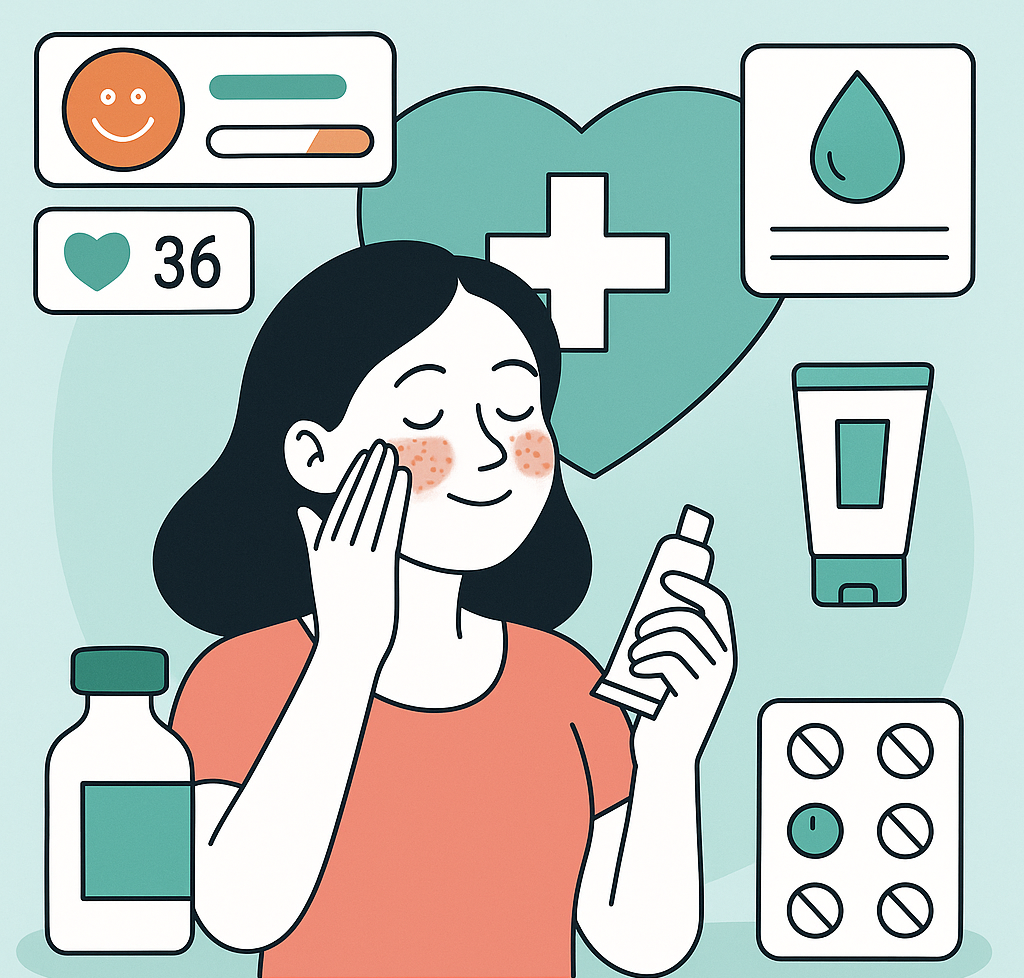
Dealing with rosacea can cause your skin to feel under attack all day and night, making you frustrated and self-conscious. If you’re sick of using hundreds of ineffective products, it’s time to learn the successful rosacea skincare that has shown promise in reducing symptoms. In this guide, we’ll take you through proven skincare solutions to soothe redness, minimize flare-ups, and soothe your skin, so you can once again feel confident in your own complexion.
Table of Contents
What is Rosacea?
Rosacea is a persistent skin condition that leads to redness and visible blood vessels, typically on the face. It’s sometimes like a daily battle not to have flare-ups, which are typically triggered by stress, diet, or environment.
It’s not like acne, which is triggered by clogged pores and bacteria. Rosacea is triggered by inflammation. It’s easy to confuse the two, but knowing the difference between rosacea and acne is the beginning of getting the right treatment.
Rosacea typically includes the following symptoms: persistent redness, pimples, and visible blood vessels, while acne manifests more as blemishes and blackheads. Knowing this distinction is the trick to choosing effective rosacea skincare.
Common Rosacea Triggers
If you have rosacea, you know how frustrating it can be to experience flare-ups seemingly out of nowhere. Common rosacea triggers include hot beverages, spicy foods, alcohol, temperature changes, and stress. For some, intense exercise or sun exposure can also worsen symptoms.
The key to managing rosacea lies in identifying these triggers and taking steps to avoid them. Start by tracking what causes your flare-ups whether it’s a certain food, weather change, or emotional stress. Once you know your triggers, you can begin to adjust your lifestyle.
For example, try replacing hot drinks with cooler alternatives and wear sunscreen every day, especially if you’re prone to sunburn. Avoiding triggers won’t eliminate rosacea, but it can significantly reduce flare-ups and improve the effectiveness of your skincare routine. By incorporating these changes, you’re setting the foundation for good skincare for rosacea that lasts.
Main Ingredients in Rosacea Skin Care
When you’re choosing products for rosacea, you’ll want to go for products that won’t further irritate your skin. Some ingredients in skincare products can be irritating to rosacea, so it’s better to know what to avoid.
Ingredients to avoid with rosacea are alcohol, fragrances, and menthol, which are irritating to sensitive skin. Instead, look for gentle, soothing ingredients such as niacinamide, ceramides, and aloe vera. These ingredients repair the skin barrier and reduce inflammation and irritation. Niacinamide has been studied for its potential to reduce redness and support skin tone balance, so it’s a great choice for rosacea skin.
Also, by using a fragrance-free moisturizer, you’ll avoid irritation and keep your skin hydrated. By choosing the right ingredients, you’re taking a giant step toward good rosacea skincare, keeping your skin both calm and protected.
Redness Reduction Tips for Rosacea
One of the most visible symptoms of rosacea is persistent redness, which is both uncomfortable and difficult to conceal. Fortunately, there are numerous redness reduction tips that can soothe your skin and minimize visible redness.
Firstly, try using cooling products such as gels or creams containing ingredients such as green tea or cucumber extract. These may offer temporary instant relief and minimize redness for some individuals. Another excellent tip is to use ice packs or cold compresses on the affected areas for a few minutes, which helps to constrict blood vessels and minimize inflammation.
Makeup Tips on Rosacea
Choosing the appropriate makeup for rosacea skin can be tricky. Rosacea makeup advice is all about using gentle, non-comedogenic makeup that won’t aggravate the condition. Look for foundations that are fragrance-free and contain comforting ingredients like zinc oxide or titanium dioxide, which not only cover up redness but also serve as sun protectants. Mineral makeup is typically a great option because it tends to be less irritating and more breathable.
Avoid heavy, cakey makeup that can clog pores and aggravate the redness. To cover up flare-ups, try a green-tinted primer or color-correcting products specifically designed to cover up redness. Using clean hands and tools to apply makeup can also reduce irritation.
Patch-testing new makeup products before applying them all over your face is always a good idea, just to make sure they won’t cause a reaction. With the proper products and techniques, makeup can highlight your natural beauty while keeping rosacea under control.
Why is Sun Protection Essential for Sensitive Skin?
Sun protection is necessary since UV exposure causes rosacea flare-ups and redness. Apply sunscreen every day, even on cloudy days, to protect your skin from damaging sun exposure.
Apply sunscreens that contain zinc oxide or titanium dioxide. These sunscreens are non-irritating and provide broad-spectrum protection against UVA and UVB radiation. Avoid chemical sunscreens since they may contain irritating ingredients or rosacea-worsening ingredients.
Also, use a hat and seek shade whenever possible, especially during the peak sun hours (10 a.m. to 4 p.m.). Sunburns lead to long-term skin damage, so protection every day is an absolute part of a healthy rosacea skincare regimen. Daily sun protection over time will decrease flare-ups and keep skin healthy.
Natural Support versus Medical Treatment of Rosacea
When rosacea is treated, it’s crucial to find the balance between medical treatment vs. natural support. Medications such as Efracea (Oracea) and Minocycline (Minocin) are very good at keeping flare-ups at bay and reducing inflammation, particularly for more severe to moderate cases. Soolantra has shown efficacy treating the inflammatory aspect of rosacea.
Yet, while medicine might be necessary to treat, natural treatments and skincare can be used to support and complement medical treatments.
Conclusion
Treating rosacea is not easy, but with the right approachmay help to soothe your skin and avoid flare-ups. If you’re choosing effective skincare for rosacea, embracing lifestyle modifications, or attempting medication, the thing is consistency. If you understand your triggers and maintain a thought-out skincare regime, you can soothe your skin and have confidence in your looks once again. Healthy, happy skin could be yours to attain!
Disclaimer
The information in this article is intended for informational purposes and not as a substitute for professional medical advice. Always consult a physician or other qualified healthcare provider for specific questions about your health.