

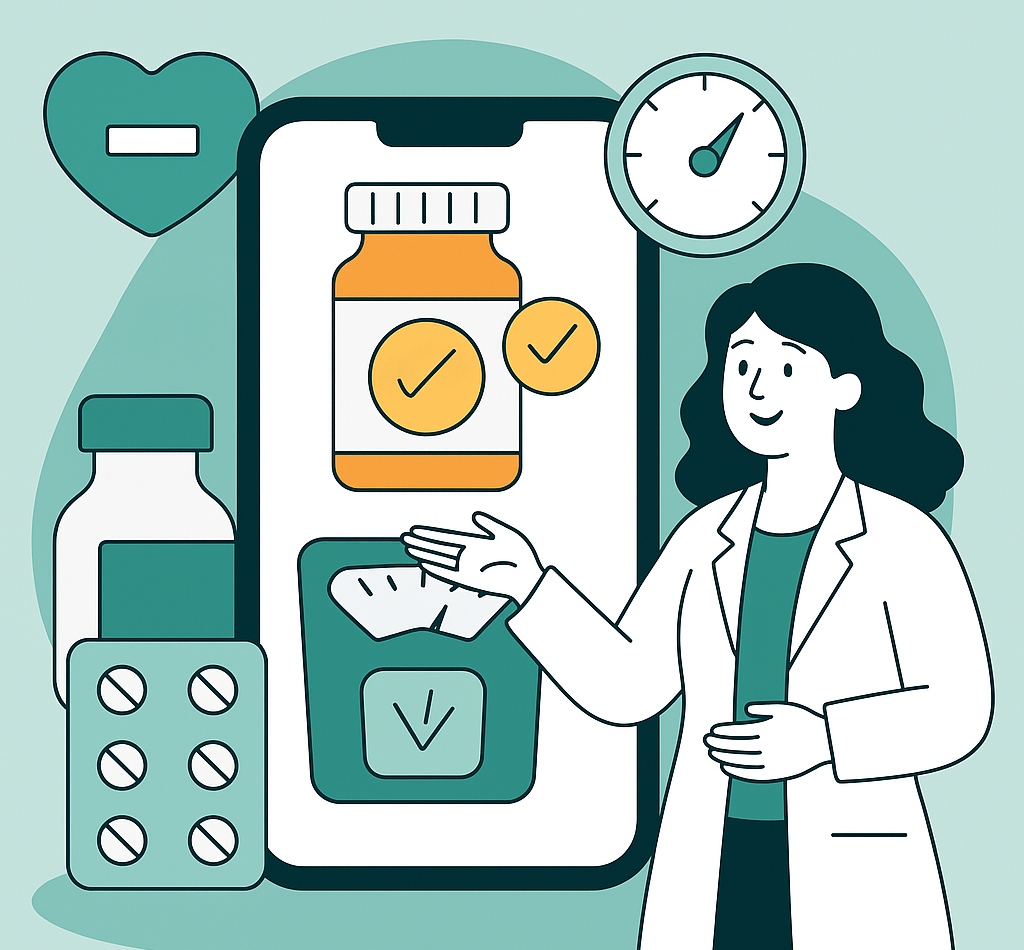
Weight loss can be an endless battle. If diet and exercise haven’t worked for you, then perhaps it is time to take weight loss medications tested by professionals to help you finally reach the results you’ve been striving for. Prescription weight loss medications target specific pathways like appetite regulation or fat absorption, and can be an effective tool bringing a glimmer of hope
Table of Contents
- The Basis of Weight Loss Medications
- How Weight Loss Medicines Work?
- When Will I See Weight Loss Results?
- Most Common Side Effects of Anti-Obesity Medications
- Changing Your Diet with GLP-1 Medications
- Influence of Lifestyle on Drug Success
- Plateau Management in Weight Loss Therapy
- Sustaining Motivation During Weight Loss Treatment
- The Bottom Line
for individuals who haven’t responded to lifestyle changes alone. Here’s an overview of expert-tested weight loss medications that you may consider based on your individual health needs.
The Basis of Weight Loss Medications
The path to weight loss is often a difficult and long one. While diet and exercise always comprise the foundation of any successful weight loss program, weight loss medication is an added option for those who have never succeeded through traditional methods.
Weight loss medications are designed to suppress appetite, increase metabolism, or block the body from absorbing fat. Various medications are now available, such as Mounjaro, Mysimba, Orlistat, Saxenda, and Wegovy, each with a different mechanism of action. The first step to determining if the medications are for you is to understand how they work.
How Weight Loss Medicines Work?
Weight loss medication has various modes of action, and understanding how they work will help you make an informed decision as to which might be the best for your personal needs.
Medications like Mounjaro and Saxenda are GLP-1 receptor agonists that may be used for weight loss by lowering blood sugar and reducing appetite.
Orlistat (Xenical), by contrast, stops the absorption of a portion of the fat you consume, so your body will reduce caloric intake overall. These medications are often combined with diet and exercise to achieve maximal effect, but understanding how each medication helps you lose weight the right way.
When Will I See Weight Loss Results?
Patience is necessary when taking weight loss drugs. Changes start to be noticed in the initial weeks of taking the drugs, but the duration may differ.
In the majority of instances, it can take 4 to 6 weeks to experience notable changes. Nevertheless, the changes tend to be gradual, particularly if you are taking medication along with lifestyle changes.
Expectations must be managed, and you must keep in mind that losing weight is a process that takes time, persistence, and a combination of actions, for instance, a healthy diet and regular physical exercise.
Most Common Side Effects of Anti-Obesity Medications
As with any medication, weight-loss medications also have their side effects. At first, perhaps when you’re introducing a new drug, these side effects might be nausea, drowsiness, or gastrointestinal issues.
These usually are temporary and might disappear as your body adjusts to the medication. If it continues or is worse, you should discuss this with your physician. It is helpful to know these side effects beforehand and prepare yourself mentally and physically for the adjustment period.
Serious side effects, though rare, may include pancreatitis, gallbladder issues, and thyroid tumors, so it is important to share base line pathologies and family history prior to prescription.
Changing Your Diet with GLP-1 Medications
When taking GLP-1 medications such as Saxenda or Wegovy, most individuals experience less hunger. This helps them adhere to a lower-calorie diet without constantly feeling hungry.
Nevertheless, it is still important to eat healthy foods that help your weight loss. Eat foods that are high in nutrients, such as fruits, vegetables, lean meats, and whole grains.
Steer clear of highly processed foods or fatty foods that may reverse the drug. By synchronizing your diet with your drug, you will be able to achieve the greatest weight loss.
Influence of Lifestyle on Drug Success
Even the most effective weight loss drugs will not work as well without healthy lifestyle habits. Proper exercise, stress reduction, and sleep are required to augment weight loss therapy.
Exercise, especially, increases metabolism and enables your body to burn calories more effectively. If you are on Mounjaro or Mysimba, employing these medications in combination with a healthy exercise program can hasten outcomes and assist in maintaining long-term success.
Plateau Management in Weight Loss Therapy
It’s not uncommon for people to reach a weight loss plateau even while taking weight loss medication. A plateau is when weight loss decreases or comes to a halt after initial progress. This is annoying, but the reality is that plateaus are inevitable.
To break through a plateau, try to change your diet, boost the intensity of your training, or even change medications if needed. The key here is to be patient, and minor adjustments can push you over the edge.
Sustaining Motivation During Weight Loss Treatment
It is hard to stay motivated when losing weight, especially when progress is slow or when plateaus are encountered. Small yet achievable goals are one of the greatest ways to stay motivated. Reward every success, however minor, and use these as motivation to continue.
It is also helpful to find people to share the experience with, whether that is a support group, friends, or family. Motivation is not entirely external—about embracing a mindset that is always focused on the end goal.
The Bottom Line
Weight loss medications are a great intervention for most individuals who struggle with obesity (BMI ≥30) and weight management like overweight (BMI ≥27) with related health issues, such as type 2 diabetes or hypertension. The medications will work best, however, if you pair them with a healthy lifestyle and reasonable expectations.
The more you understand how each medication works, the better you can handle side effects, and the more rational lifestyle choices you make, the greater your likelihood of successful weight loss. Always consult a physician to determine the most appropriate treatment regimen for you.
Disclaimer
The information in this article is intended for informational purposes and not as a substitute for professional medical advice. Always consult a physician or other qualified healthcare provider for specific questions about your health.