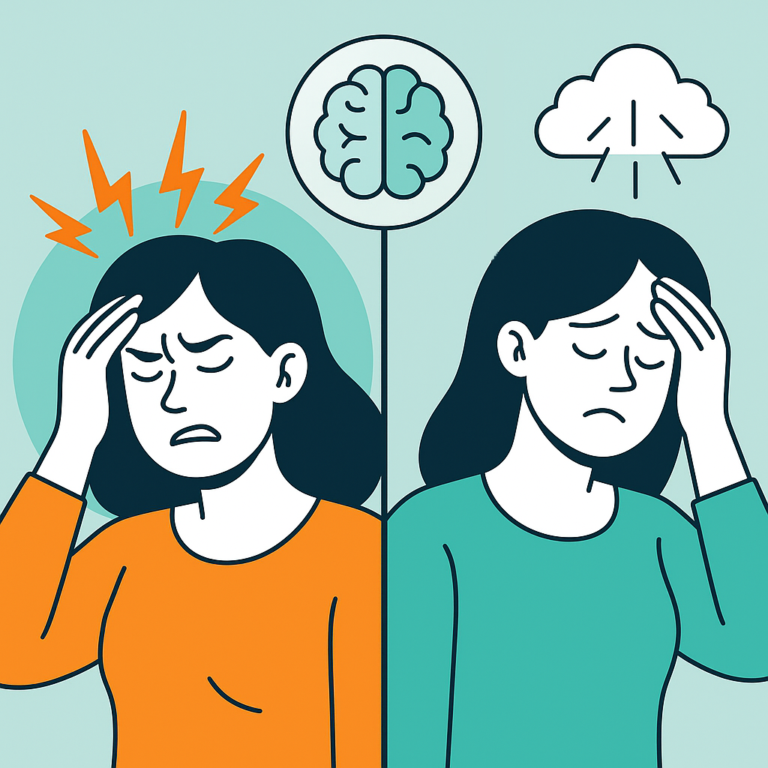


Fibromyalgia pain isn’t only pain; it’s an all-consuming, life-altering experience. If you’ve been living with constant pain, fatigue, and sleeplessness, you know how difficult it is to find something that really makes you feel better. But relief is out there. In this article, we’re going to examine the best relief for fibromyalgia pain, giving you real-life, practical solutions that can make your condition more manageable and enhance the way you feel today.
Table of Contents
What is Fibromyalgia?
Fibromyalgia is a chronic illness that affects millions of individuals across the globe. Fibromyalgia is characterized by widespread pain, tenderness, and fatigue, which can compromise daily functioning. The etiology of fibromyalgia is not known, one of the main theories is that fibromyalgia develops alterations in the way our nervous system processes the pain messages carried around the body and leads to increase levels of certain chemicals in the brain. This alteration results in extreme sensitivity to pain.
Fibromyalgia does not include inflammation or muscle or joint injury, as is the case in other pain conditions. This unusual course of disease makes diagnosis and treatment much more difficult.
Fibromyalgia Symptoms in Women and Men
Fibromyalgia is not identical in all individuals, and it manifests differently in women and men. Fibromyalgia symptoms such as chronic pain, fatigue, and insomnia are the same in both genders, but the severity and character of these symptoms can be different.
In women, fibromyalgia is more likely to involve more intense fatigue, chronic headaches, and irritable bowel syndrome (IBS). Women are more likely to have anxiety and depression as part of their fibromyalgia syndrome.
Men have more of the symptoms of fibromyalgia, like extreme pain in muscles and joints and, less commonly, extreme fatigue. Both sexes suffer from the “fibro fog,” a state of mind that results in memory issues and difficulty concentrating. All of these symptoms must be addressed in both genders to enhance the quality of life.
Chronic Fatigue and Muscle Pain
Fatigue and chronic muscle pain are arguably the hardest symptoms of the disease to bear. Fatigue in fibromyalgia is much more than feeling tired. Instead, it’s a deep, pervasive exhaustion that doesn’t improve with sleep.
Along with fatigue, muscle pain is a constant companion. It can range from a dull ache to sharp, stabbing pain in your muscles, joints, or tendons. This pain doesn’t go away with rest and can interfere with your ability to perform basic tasks. The combination of chronic fatigue and muscle pain can feel overwhelming, but there are ways to alleviate both.
Management of these symptoms requires interdisciplinary intervention. Medications in the form of painkillers and muscle relaxants, stress reduction, and lifestyle modification can greatly improve the relief of pain and fatigue. Even exercise, as difficult as it may be, can reduce stiffness and improve energy.
The Best Medication for Fibromyalgia
For treating fibromyalgia, the best drug to use is also unique for each individual. Though no medication will cure fibromyalgia, there are drugs that can manage the symptoms and improve the quality of life. Some of the most commonly utilized drugs are pregabalin, gabapentin, and amitriptyline.
Pregabalin and gabapentin treat nerve pain, a signature symptom of fibromyalgia. They modulate calcium channels in the nervous system, affecting the way nerves send pain signals and makes you feel better. Amitriptyline, a depression medication, is usually given to treat sleeping difficulties and manage pain.
While medication is helpful, do not forget that it is part of an overall treatment regimen. That regimen needs to include other strategies for the treatment of fibromyalgia, such as lifestyle modification, exercise, and stress-reducing strategies. Consult with your doctor to determine the most effective medication for fibromyalgia according to your symptoms and history.
How to Deal with Fibromyalgia Flare-Ups?
Fibromyalgia flare-ups are unavoidable. They usually happen because of stress, overexertion, weather changes, or poor sleep. If you are aware of the cause of your flare-ups, you can refrain from doing them and avoid worsening them.
One of the best methods of dealing with flare-ups is to acquire stress-reducing skills. Yoga, meditation, and breathing exercises are all good ways of soothing the body and mind. Exercise without overexertion is necessary. Gentle exercise like walking, swimming, or stretching will loosen the muscles without contributing to the stress.
When you are having a flare-up, be sure to take it easy. Rest, drink plenty of water, and do some light activities that give your body time to heal. Pay attention to your body, and don’t push yourself too hard because that will just extend the pain and fatigue. Track your flare-ups in a journal so you can better understand what causes them and make changes to your routine to prevent them.
Lifestyle Changes to Alleviate Fibromyalgia
The correct lifestyle changes to help relieve fibromyalgia symptoms can have a profound effect on symptom control and general health. Enhancing your sleep is one of the most important changes. Fibromyalgia typically involves disturbance of sleep, so it’s essential to have a good night routine. Sleep 7–9 hours straight each night. Avoid caffeine or heavy meals at night, and ensure that your sleeping space is quiet, dark, and cold.
A healthy anti-inflammatory diet can also help ease symptoms. Consume whole foods such as fruits, vegetables, lean proteins, and healthy fats. Fatty fish, such as salmon, nuts, and seeds, contain omega-3 fatty acids, which reduce inflammation and are healthy for the joints. Processed foods, sugar, and refined carbohydrates can aggravate inflammation and pain.
Including daily low-impact exercise in your routine will also alleviate fibromyalgia symptoms. Swimming, walking, and yoga are all excellent options because they increase flexibility, decrease stiffness, and improve overall strength. Exercise leads to the release of endorphins, natural painkillers, and can also boost mood.
The Bottom Line
Fibromyalgia pain management is not a one-step process, but the best fibromyalgia pain relief can be achieved with the proper combination of medicine, lifestyle change, and self-management skills. Fibromyalgia cannot be cured, but the proper strategy can allow you to regain your life and improve the quality of your life.
By knowing your symptoms, engaging in exercise, eating a healthier diet, and controlling your sleep, you can begin to improve your condition and feel better every day.
Disclaimer
The information in this article is intended for informational purposes and not as a substitute for professional medical advice. Always consult a physician or other qualified healthcare provider for specific questions about your health.