

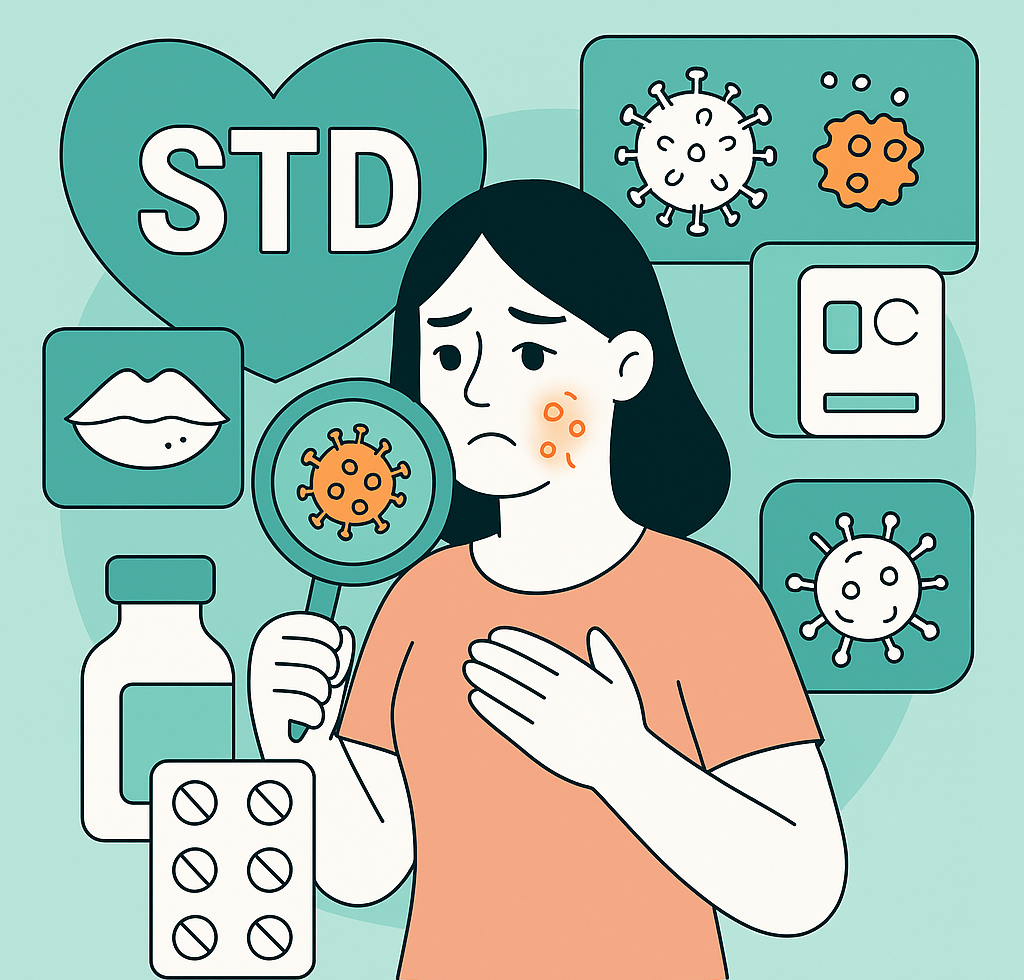
Having a herpes outbreak is like having your own war, one that’s not always visible but is extremely uncomfortable. You’re probably thinking, how long do herpes outbreaks last, and how can they be stopped? While outbreaks are unpredictable, understanding how long they last, what triggers them, and how to manage them can provide you with comfort and control. Let’s get to the facts to make you feel empowered.
Table of Contents
What Triggers Herpes Outbreaks?
Herpes outbreaks have a myriad of causes, and they will be unique for each individual. Physical or emotional stress is a frequent reason. Stress will compromise your immune system, and as such, the herpes virus will be triggered more easily. Illnesses like the flu or the cold will also do the trick, as they stress your body even more. Hormonal changes, like menstruation or being pregnant, will also trigger it.
Another often under-appreciated causative factor is sunburn. Sunburn has the ability to stimulate the skin and lead to flare-ups, especially in victims of oral herpes. Precautions like the application of sunscreen can avert flare-ups. Lastly, physical trauma like cuts or skin injury can re-activate the virus in the affected area.
How Long Do Herpes Outbreaks Last?
One thing on people’s minds when they have herpes is, how long will herpes outbreaks last? Outbreaks typically last about 7 to 10 days. The initial outbreak is typically worse and longer, with worse symptoms such as painful blisters and flu-like symptoms. After the initial outbreak, the virus enters a dormant stage, meaning less active but can return, usually in the form of smaller, less severe outbreaks.
The follow-up outbreaks will take around a week, although some individuals have regular outbreaks while others rarely get them. The outbreak may be influenced by the speed at which you are able to receive treatment. Antiviral medications like Aciclovir and Valaciclovir will reduce outbreaks and make them easier to deal with. Stress, diet, and immunity also have their contribution. Strict control of these will reduce the frequency and duration of outbreaks.
Difference Between Oral and Genital Herpes
Herpes comes in two main forms: oral and genital. Oral herpes, caused by the herpes simplex virus type 1 (HSV-1), usually resides on the lips and mouth and most commonly is the cause of cold sores. While HSV-1 is most common for oral infection, it can also be orally transmitted to the genital area and infect it to cause genital herpes.
Genital herpes is also caused mainly by the herpes simplex virus type 2, or HSV-2. Itching blisters and sores in the genital region are caused by this infection but can also appear elsewhere. Although HSV-1 can also cause genital herpes, the symptoms are typically the same itchy blisters. The two types of herpes are highly contagious, and the virus is transmitted even if there are no symptoms.
How Does Antiviral Therapy Help in Treating Herpes Outbreaks?
Antiviral medications like Aciclovir, Valaciclovir, and Valtrex suppress herpes by stopping the replication process of the virus. Although they do not heal herpes, they reduce the recurrence rate and severity of outbreaks by great percentages. These medications suppress the replication of the virus, thereby reducing symptoms like pain and distress caused by blistering.
Taking antiviral medication at the beginning stage of an outbreak treats symptoms and speeds recovery. Daily suppressive therapy is usually prescribed by doctors for those with frequent outbreaks. This means taking antiviral medication daily in order to decrease the frequency of outbreaks and reduce the risk of transmission to other people.
Although antiviral medications are a significant component of treatment, they are most effective when combined with other healthy habits like stress reduction, good sleep, and a healthy diet. These lifestyle changes can also strengthen your immune system to keep the virus in check.
Daily Suppressive Therapy: Yes or No?
Daily suppressive therapy is a popular form of treatment for individuals with regular herpes attacks. Daily antiviral medication in the form of Valaciclovir or Valtrex can significantly reduce the frequency of attacks. Suppressive treatment also prevents the virus from being transmitted to a partner.
For people who have frequent or severe attacks, daily suppressive therapy is comforting. It may be able to control the virus more aggressively, quelling flare-ups and decreasing viral shedding. However, it may not be needed by everyone. Some individuals have infrequent attacks and may only need to be treated when flare-ups occur.
If you’re considering suppressive therapy, discuss it with your healthcare provider to determine if it’s something you should be doing. Your doctor can help you weigh the benefits and potential side effects and provide you with a plan on how to make it work for you.
Can Herpes Spread Without Symptoms?
One of the most common myths is that herpes is contagious only when there are symptoms, such as when you have an outbreak. The reality is that herpes can be contagious even when there are no visible symptoms. This is due to asymptomatic shedding, where the virus is present but not visible. At this time, the virus may be transmitted to others even when you do not have sores or blisters.
Shedding can take place at any moment, and that is the reason why herpes is so infectious. Antiviral therapy keeps shedding under control but is not able to prevent it.
Open communication between you and your partner is very important. Discussing your diagnosis and the employment of protection in the form of antiviral medication can greatly reduce the risk of transmission.
The Bottom Line
It’s hard to live with herpes, but it doesn’t have to be. Understanding how long herpes lasts, what triggers it, and how to manage its symptoms, either with prescription medication or home remedies, can help you take back control of your life. With treatment, outbreaks can also become less severe and less frequent, and you can live more comfortably.
Disclaimer
The information in this article is intended for informational purposes and not as a substitute for professional medical advice. Always consult a physician or other qualified healthcare provider for specific questions about your health.