

Quitting smoking is one of the best things you can do for your health, but it’s not easy. Whether you’ve tried to quit before or this is your first attempt, having the right tools and support can make all the difference. From nicotine replacement therapy (NRT) to prescription medications and behavioral strategies, there are many options available to help you stay on track. In this blog, we’ll discuss the best stop smoking aids, how they work, and tips to make your quit journey successful.
Table of Contents
Why Quitting Smoking Is So Hard
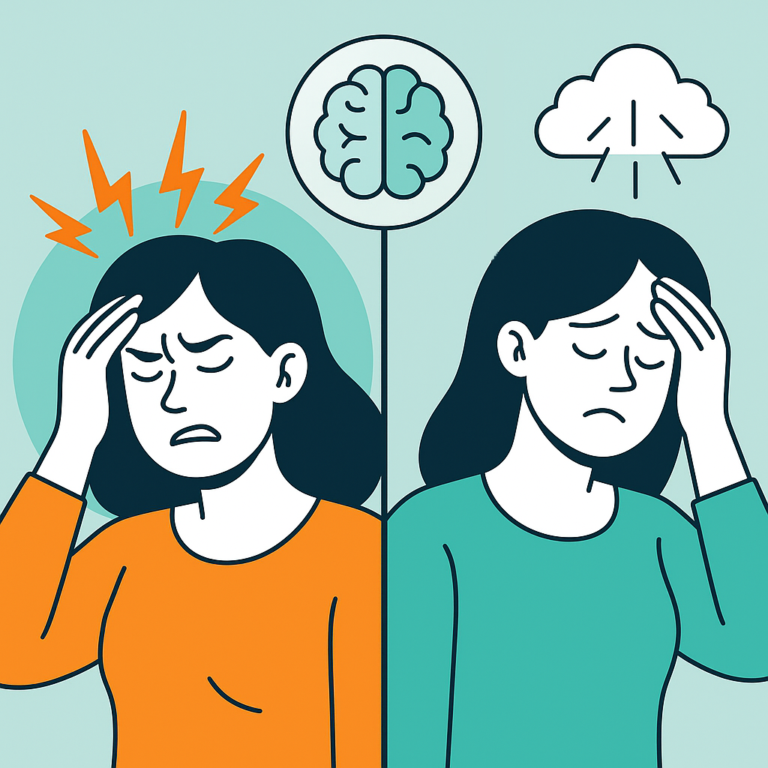
Smoking isn’t just a habit, it’s an addiction. Nicotine, the chemical in cigarettes, creates a powerful dependency that affects both the body and the mind. When you stop smoking, withdrawal symptoms like cravings, irritability, and trouble concentrating can make it tough to stay smoke-free. That’s why using stop smoking aids can help make the transition easier by reducing withdrawal symptoms and increasing your chances of success.
The Best Stop Smoking Aids
There are several effective stop smoking aids to help manage withdrawal symptoms and cravings. Let’s break down the most common options:
1. Nicotine Replacement Therapy (NRT) Options
Nicotine replacement therapy provides a small, controlled dose of nicotine to ease cravings and withdrawal symptoms without the harmful chemicals found in cigarettes.
Common NRT Options:
- Nicotine Patches: Worn on the skin and provide a steady dose of nicotine throughout the day
- Nicotine Gum: Chewed when cravings strike, helping to satisfy the oral fixation and reduce withdrawal symptoms
- Nicotine Lozenges: Dissolve in the mouth to deliver nicotine gradually
- Nicotine Inhalers: Mimic the hand-to-mouth action of smoking while delivering nicotine through inhalation
- Nicotine Nasal Spray: Provides rapid relief by delivering nicotine through the nose
Tip: Combining NRT methods, like using a nicotine patch with gum or lozenges, can improve your chances of quitting successfully.
2. Prescription Medications to Quit Smoking
If NRT isn’t enough, prescription medications can be an effective option. These medications work by reducing cravings and making smoking less enjoyable.
Common Prescription Medications:
- Varenicline (Decigatan): Blocks nicotine receptors in the brain, reducing cravings and making smoking less pleasurable
- Bupropion (Zyban): An antidepressant that helps reduce nicotine withdrawal symptoms and cravings
Tip: These medications are often started one to two weeks before quitting to help ease the transition.
3. How to Manage Cravings While Quitting
Cravings can be intense, but they usually last only a few minutes. Having a plan to handle them can make a huge difference.
Effective Strategies to Manage Cravings:
- The 5-Minute Rule: When a craving hits, distract yourself for five minutes, go for a walk, drink water, or call a friend
- Deep Breathing Techniques: Take slow, deep breaths to calm your nervous system
- Chew Sugar-Free Gum or Munch on Healthy Snacks: Carrots, nuts, or sunflower seeds can help with the oral fixation
- Stay Busy: Engage in a hobby, read, or exercise to keep your mind off smoking
- Avoid Triggers: Identify situations that make you want to smoke and find alternative activities
Tip: Keeping a journal of your cravings can help you identify patterns and develop strategies to overcome them.
4. Quit Smoking Timeline: What to Expect
Understanding what happens to your body when you quit can keep you motivated.
Time Since Last Cigarette vs. What Happens in Your Body
- 20 minutes: Heart rate and blood pressure start to drop
- 8 hours: Carbon monoxide levels in the blood decrease
- 24 hours: Risk of heart attack begins to drop
- 48 hours: Sense of taste and smell improve
- 1 week: Nicotine withdrawal symptoms peak
- 1 month: Lung function improves, and coughing decreases
- 3–9 months: Breathing gets easier, and lung capacity increases
- 1 year: Risk of heart disease drops by 50%
- 5–10 years: Stroke and lung cancer risk decrease significantly
Tip: Celebrate each milestone! Treat yourself to a reward for staying smoke-free.
5. Tips to Stay Smoke-Free Long-Term
Quitting smoking is just the beginning, staying smoke-free is the real challenge. Here’s how to make it last:
- Identify Your Triggers: Know what situations, emotions, or people tempt you to smoke
- Find a Support System: Tell your friends and family about your quit plan or join an online support group
- Replace Smoking with Healthy Habits: Exercise, drink more water, and practice mindfulness
- Avoid Alcohol and Other Triggers Early On: Many people relapse when drinking alcohol or socializing with smokers
- Use Stop Smoking Aids as Needed: Even if you slip, get back on track with the right tools and support
Tip: If you have a slip-up, don’t be too hard on yourself. It’s a learning experience just keep going!
Conclusion
Quitting smoking is challenging, but the right stop smoking aids can make the journey easier. Whether you choose nicotine replacement therapy, prescription medications, or behavioral strategies, there’s no one-size-fits-all solution—find what works best for you. Remember, every smoke-free day is a step toward better health, and with the right support, you can successfully quit for good.
Disclaimer
The information in this article is intended for informational purposes and not as a substitute for professional medical advice. Always consult a physician or other qualified healthcare provider for specific questions about your health.