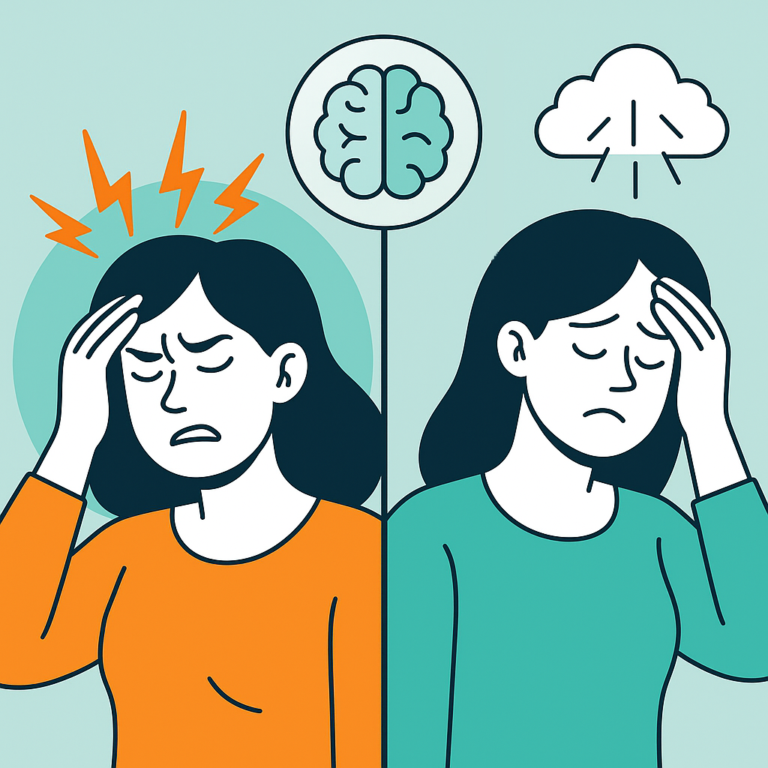

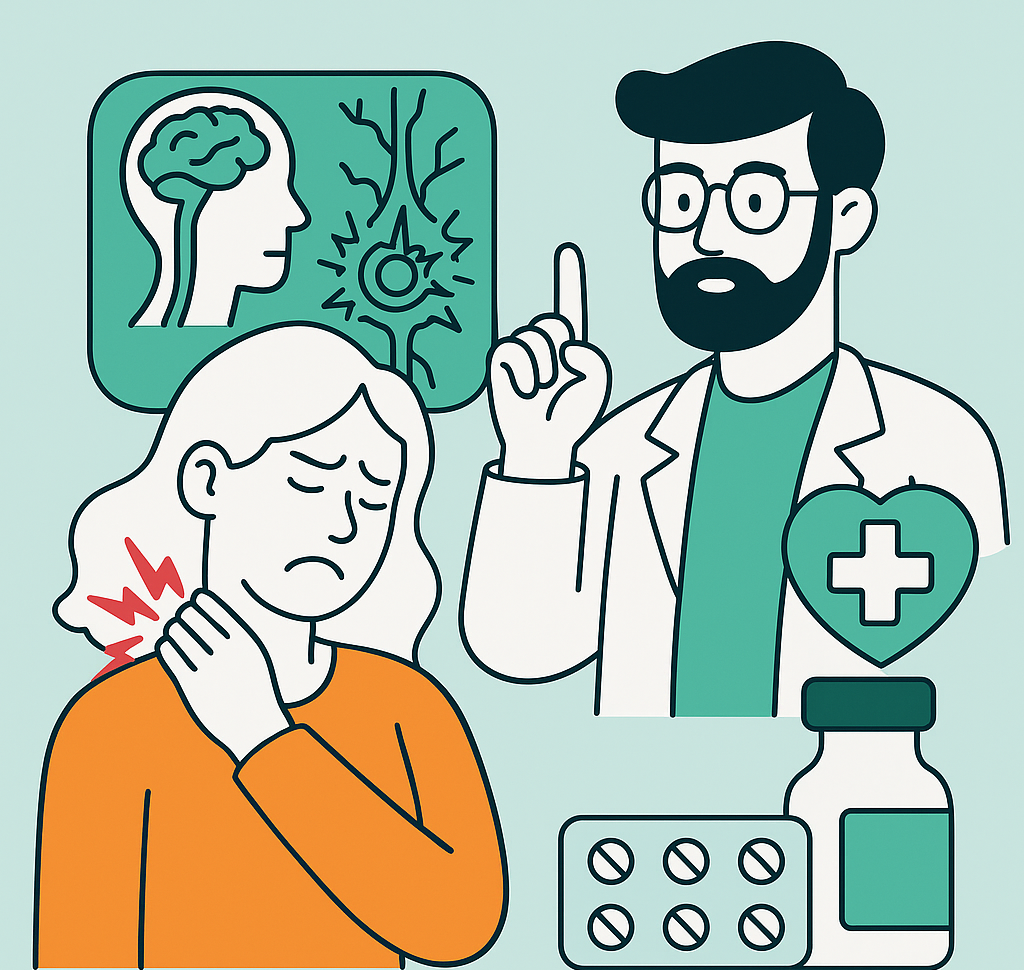
Nerve pain can stop you in your tracks, leaving you with sharp, burning, and relentless discomfort. If you’re searching for answers to ease nerve pain, you’re not alone. This guidebook will walk you through tried and tested ways to ease pain, from medication and supplements to easy changes in lifestyle that can return your quality of life.
Table of Contents
What Does Nerve Pain Feel Like?
Nerve pain is not like the usual muscle strains and aches. It’s been described as a stinging, stabbing pain or even a burning, tingling, or electric shock sensation. This kind of pain, also referred to as neuropathic pain, happens when the nerves themselves are damaged or malfunctioning. It may begin in one place and spread outward, or it may be a persistent, nagging pain that never seems to really go away. Nerve pain victims usually feel it in their arms, legs, or feet, and simple activities such as walking or sitting are a struggle.
It is crucial to recognize nerve pain as separate from muscle pain, because muscle pain is typically the result of overuse or strain, while nerve pain is caused by damage or illness to a nerve. Having a knowledge of the difference will guide you to the proper treatment and increase your capacity to manage or even eradicate the pain.
Difference Between Nerve Pain and Muscle Pain
Nerve pain and muscle pain may appear identical at first glance. Both, naturally, may make it hard to move or become comfortable. But they are quite different in cause and feel.
Nerve pain results when the nerve fibers themselves become inflamed or injured. It’s commonly described as electric-type, burning, or stinging pain. It may be stinging, and at times, even a light touch may be quite unpleasant.
Conversely, muscle aches are typically the direct consequence of overuse, tension, or muscle trauma. It’s more of a dull ache and sometimes accompanied by stiffness, typically confined to one area.
Although you can typically treat muscle aches with rest or a bit of stretching, nerve pain might require medications like Gabapentin or Lyrica. It is crucial to understand what type of pain you have when choosing the proper treatment and to enable you to control your symptoms.
Best Medication for Neuropathy
When it comes to the treatment of nerve pain, neuropathy medication can bring much relief. One of the most widely prescribed medications is Gabapentin, an anticonvulsant commonly used off-label to treat nerve pain, which acts to quiet overactive nerves and reduce pain.
A second widely prescribed medication is Lyrica, a medication that stabilizes nerve impulses and reduces burning or stabbing neuropathic pain. Both medications are frequently used to treat such things as diabetic neuropathy or post-shingles nerve pain.
While medications like paracetamol or mild opioids such as codeine may offer temporary relief, they are typically not effective for long-term nerve pain and are not recommended as first-line treatment
You should seek out a healthcare professional in an effort to figure out the medicine that is in proportion to the pain level and previous health conditions.
It’s also worth noting possible side effects. Gabapentin and Lyrica have the effect of making some individuals sleepy or dizzy, so always discuss the risks and benefits with your doctor before taking any new drug. Having the correct medication for nerve pain can make life a lot easier.
Supplements That Support Nerve Health
Supplements may be a significant factor in maintaining healthy nerves and in alleviating pain in the nerves. Perhaps most significant, though, is vitamin B12 for general nerve health.
Lack of B12 will cause damage to nerves, so supplementing it will prevent or even reverse some of the symptoms of the nerves. A helpful supplement is alpha-lipoic acid, which is a very potent antioxidant that has been found to alleviate pain in the nerves and enhance circulation especially in diabetic neuropathy.
Fish oil omega-3 fatty acids have also been discovered to play a role in nerve health by suppressing inflammation and repairing injured nerve fibers. Magnesium can also play a role in normal nerve function and muscle relaxation, which can be particularly beneficial for individuals who suffer from both nerve and muscle pain.
While supplements alone won’t heal nerve pain, they can be used in conjunction with other types of treatment like medicine and lifestyle change to promote better overall nerve health. Always consult your physician prior to introducing new supplements to ensure they are safe and appropriate for your unique situation.
Lifestyle Changes That Are Helpful for Chronic Nerve Pain
Treating chronic nerve pain is more than drugs and vitamins, it involves a total plan that involves some lifestyle modification. Exercise is one of the best ways. Low-impact exercises such as walking, swimming, or cycling can increase blood flow, decrease swelling, and build muscle, which can decrease nerve pain over time.
Healthy weight is also a consideration, as extra weight adds extra pressure to nerves and adds to pain. Stress reduction techniques, such as yoga or meditation, are also helpful, as pain severity is exacerbated by stress. Body pain sensitivity can be reduced by relaxation and awareness techniques.
Sleep hygiene is another critical consideration. Sleep may be disturbed by chronic pain, but the body has the capacity to heal and control pain with sufficient rest. Attempt to create a regular bedtime schedule and make the bedroom sleep-conducive by having it dark and quiet.
Minor adjustments to diet, like the consumption of anti-inflammatory food sources including turmeric, berries, and leafy greens, can also provide relief from nerve pain. These lifestyle changes can lead to enhanced nerve health and pain relief with appropriate medical care.
The Bottom Line
Controlling nerve pain might appear overwhelming, but with the right treatment, you can find relief. By combining effective medications, lifestyle changes, and supplements, you can regain your health and start living more comfortably.
When the pain does not subside or worsens, remember that a neurological evaluation can be the key to a long-term solution. You don’t have to let nerve pain dominate your life—act now and initiate your road to recovery.
Disclaimer
The information in this article is intended for informational purposes and not as a substitute for professional medical advice. Always consult a physician or other qualified healthcare provider for specific questions about your health.