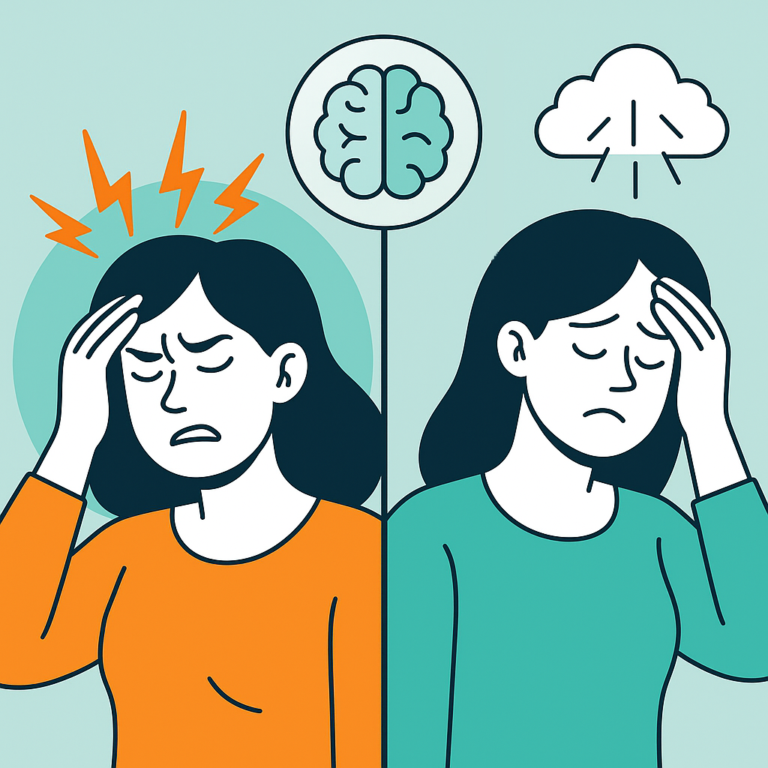


Living with migraine and headache pain can feel isolating, but you are far from alone. Around 3.1 billion people globally, or roughly 40% of the world’s population, experienced headache disorders in 2021. These aren’t just occasional annoyances. They can derail days, routines, and well-being. (1)
Table of Contents
But with the right insights and thoughtful care strategies, there is hope for relief and balance.
Understanding Migraine and Headaches
A headache is any pain in the head or upper neck area. A migraine, on the other hand, is a neurological condition that often includes intense headaches, nausea, visual disturbances, and photosensitivity.
Both migraine and headache types can vary in duration, intensity, and cause. While most headaches are temporary and non-threatening, some types, like chronic migraine, can be debilitating and recurrent.
Global Snapshot
Migraine and headache disorders are among the top three most common neurological conditions across all age groups, from as young as five up to eighty years old. Their global impact is undeniable.
A 2019 study shows a dramatic rise in migraine cases: from 721.9 million in 1990 to 1.1 billion in 2019.(2) A 2022 review reported a 14% global prevalence, making migraine the second most common neurological disorder after tension-type headache. (3)
Currently, migraine ranks as the third most common disease worldwide, affecting 1 in 7 people. Notably, it affects 20.7% of women and 9.7% of men, highlighting a clear gender gap.
Types of Headaches
Understanding the different types of headaches is key to managing them effectively. Here are the most common types:
Tension Headaches
These are the most common type and feel like a tight band around your head. Stress, poor posture, and eye strain are usual triggers.
Cluster Headaches
It affects only 0.1% of the population but is extremely painful. These occur in cyclical patterns or clusters and usually affect one side. It often wakes people from sleep with intense pain around one eye and can even cause lacrimation. Males are more affected by this type of headache.
Sinus Headaches
These are caused by inflammation in the sinus passages. These headaches are accompanied by facial pressure and congestion and often worsen when you bend forward.
Secondary Causes of Headache
Secondary causes of migraine and headache are often symptoms of an underlying condition rather than primary disorders. These can include infections like meningitis, head injuries, high blood pressure, or medication overuse.
One particularly alarming type is thunderclap headache, which reaches peak intensity within 60 seconds and signals serious issues like brain hemorrhage or aneurysm.
What Makes Migraines So Different
A migraine attack typically unfolds in distinct phases. Without treatment, an episode can last anywhere from 4 to 72 hours. The prodromal phase, occurring hours or days before, may include mood changes, food cravings, or fatigue. About 25% of people experience an aura, which can include visual disturbances like flashing lights or zigzag patterns, or sensory symptoms such as tingling.
This is followed by a headache phase, often one-sided, throbbing, and worsened by light or movement. Nausea and vomiting are common. After the pain subsides, the postdrome or migraine hangover can leave individuals feeling drained, confused, or irritable for up to a day.
The common types of migraine include migraine with aura, migraine without aura, and chronic migraine.
Common Triggers for Migraine and Headaches
Understanding your personal triggers is key. Migraine and headaches can be caused by a variety of factors, such as:
Dehydration
It might sound too simple, but not drinking enough water is a major factor. You may wonder, “ how dehydration causes headaches?”. Actually, dehydration leads to reduced fluid around the brain, which irritates the meninges (the lining around the brain) and leads to pain.
A recent study of 256 women with migraine and headache found that drinking around 2 litres of water daily significantly reduces the frequency, duration, and severity of attacks. (4)Those who stayed well-hydrated also experienced less migraine-related disability. Therefore, aim for regular sips throughout the day, especially in hot climates or after workouts.
Food Sensitivities
Yes, what you eat can seriously affect your head. Food that may trigger migraines includes:
- Aged cheeses
- Chocolate
- Processed meats
- Caffeine
- Alcohol
It is often the preservatives, tyramine, and nitrates in these items that spark problems.
Sleep Issues
Missing out on good quality sleep can make your brain more sensitive to pain. Inconsistent sleep schedules, poor-quality rest, or not getting enough sleep can be a direct trigger. Studies suggest a strong link between lack of sleep and migraines, as poor rest disrupts neurotransmitter balance and increases stress hormones, both of which can lead to an episode. (5)
Hormonal Changes
Many women experience migraine and headaches related to their menstrual cycle, pregnancy, or menopause. Estrogen fluctuations are a common culprit, and tracking symptoms can help you spot patterns.
Stress
Emotional or physical stress is a leading trigger for both migraine and headache. When we are stressed, our muscles tense up, and the body releases chemicals that can spark pain.
Keep Track of Your Headaches
One of the most effective ways to get a grip on your condition is by keeping a headache diary. This can help you track patterns, triggers, frequency, and how well treatments are working. Here is what to log:
- Time and date of headache/migraine
- Intensity and location of pain
- Food eaten that day
- Sleep hours
- Stress levels
- Menstrual cycle
- Additional symptoms, such as nausea and aura, etc.
- Any medication taken and its effect
Medication Support for Migraine and Headache
Sometimes, lifestyle adjustments alone are not enough. Many people with moderate to severe migraine and headaches require medication to manage symptoms effectively, and that’s where platforms like Transtoyou come in.
Options such as Ibuprofen, Rizatriptan, Sumatriptan, and Paracetamol can be considered for relief depending on your symptoms. Beta blockers are prescribed for prevention if you experience more than three attacks per month.
How to Reduce Headache Days
Consistency is key when it comes to managing migraines and headaches. While you can’t always stop them completely, you can absolutely reduce how often they show up.
Stay Hydrated
Aim for 2 to 3 litres, or about eight glasses, of water daily. Keep a water bottle with you and do not forget to sip regularly.
Sleep Regularly
Maintain a consistent sleep schedule. Use blackout curtains, limit screen time before bed, and create a calming bedtime routine.
Eat Mindfully
Avoid skipping meals and minimize processed foods that might contain additives known to be triggers.
Limit Screen Time
Too much blue light can trigger eye strain and tension headaches. Use blue light filters and take regular breaks.
Practice Stress Management
Try yoga, meditation, or even simple breathing techniques. Stress is one of the top triggers for migraine and headache globally.
Exercise Smartly
Moderate, regular activity, such as walking, swimming, or cycling, can reduce stress and improve blood flow. But do not overdo it; intense exertion can sometimes trigger migraines.
Avoid Medication Overuse
Using pain relievers more often can cause rebound headaches. Always use them as directed and track your intake.
Conclusion
Migraine and headaches can really mess with your day. But from lifestyle changes to effective treatments, there are ways to feel better. Triggers differ, but tracking symptoms and staying informed can help reduce attacks.
Do you want help figuring it all out? With Transtoyou, you can skip the waiting room and order medication online after a quick consultation. Whether you need relief now or want to prevent future attacks, we’re here to make it easier.
Disclaimer
The information in this article is intended for informational purposes and not as a substitute for professional medical advice. Always consult a physician or other qualified healthcare provider for specific questions about your health.